Are you worried that student loan forgiveness might hurt your credit score? You’re not alone.
Many people wonder if wiping out student debt could create hidden problems with their credit history. The truth is, understanding how forgiveness affects your credit can help you make smarter financial decisions. Keep reading, and you’ll discover exactly what happens to your credit score when your student loans are forgiven—and how you can protect your financial future.
How Student Loans Impact Credit
Student loan forgiveness can change your credit score. It may remove some debt, which helps your credit. But missed payments before forgiveness can still hurt your score.
Student loans play a big role in shaping your credit profile. They are a type of debt that lenders report to credit bureaus. This means your loan activity affects your credit score directly.
Paying your student loans on time helps build a positive payment history. This shows lenders you can manage debt responsibly. On-time payments can raise your credit score over time.
Missed or late payments hurt your credit score. They stay on your credit report for up to seven years. This can make borrowing money or getting a credit card harder.
The total amount you owe on student loans also matters. Large balances can lower your credit score by increasing your debt load. Lenders see higher debt as a bigger risk.
Having student loans adds to your credit mix. A mix of credit types can improve your credit score. It shows you can handle different kinds of debt.
Closing or paying off student loans can change your credit score too. Removing an installment loan might reduce your credit mix. But it also lowers your overall debt.

Credit: money.usnews.com
What Loan Forgiveness Means
Student loan forgiveness offers relief by canceling some or all of your loan debt. It means you no longer need to repay the forgiven amount. This can reduce your financial burden significantly.
Forgiveness can happen for different reasons. Some programs forgive loans after years of work in public service. Others forgive debt due to economic hardship or special circumstances.
Understanding what loan forgiveness means helps clarify its impact. It affects your loan balance and sometimes your finances.
Definition Of Loan Forgiveness
Loan forgiveness means the lender cancels part or all of your debt. You do not pay back the forgiven amount. This can happen through government programs or private agreements.
Types Of Loan Forgiveness
Common types include Public Service Loan Forgiveness, Teacher Loan Forgiveness, and Income-Driven Repayment forgiveness. Each has specific rules and eligibility criteria.
How Loan Forgiveness Works
You apply for forgiveness through the program. The lender reviews your eligibility. If approved, the forgiven amount is removed from your loan balance.
Credit Score Changes After Forgiveness
Student loan forgiveness can bring relief and change your financial situation. It can also impact your credit score. Understanding these changes helps you manage your credit better after forgiveness.
How Forgiveness Reflects On Your Credit Report
Once your loan is forgiven, the lender updates your credit report. The forgiven amount shows as paid or settled. This update can improve your credit profile by lowering your debt.
Potential Short-term Credit Score Impact
Credit scores might dip slightly right after forgiveness. This happens because of the change in your account status. The drop is usually small and temporary.
Long-term Effects On Credit Score
Over time, your credit score tends to improve. Less debt means better credit utilization. This helps your score rise gradually as you keep good credit habits.
Factors That Influence Credit Score Changes
Several factors affect how your score changes. Your payment history, total debt, and credit mix all play a role. Forgiveness is just one part of the bigger credit picture.
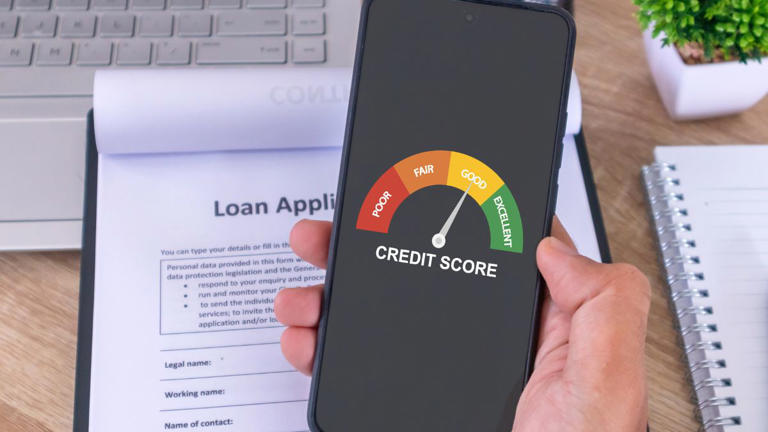
Credit: www.msn.com
Factors Influencing Credit Impact
Student loan forgiveness can change your credit score in different ways. Several factors decide how much it affects your credit. Understanding these factors helps you prepare and manage your credit better.
Each person’s situation is unique. The type of loan, your payment history, and how the forgiven amount is reported all play a part.
Type Of Student Loan
Federal and private loans are treated differently by credit bureaus. Federal loan forgiveness usually has less negative impact. Private loans may not offer forgiveness options, causing varied credit effects.
Payment History
Your payment record is a key factor. Missing payments hurt your credit score more than loan forgiveness. A good payment history can soften the impact of loan changes.
Reporting Of Forgiveness
How lenders report forgiven debt matters. Some may mark it as “paid in full,” which is positive. Others might report it as “settled,” which can lower your score.
Amount Forgiven
The size of the forgiven amount affects your credit. Large forgiven amounts might signal risk to lenders. Smaller amounts usually cause less credit disturbance.
Timing Of Forgiveness
The time when forgiveness happens also matters. Early forgiveness in the loan term can help maintain a better score. Forgiveness after many missed payments might harm your credit more.
Managing Credit During Forgiveness Process
Student loan forgiveness may not directly lower your credit score. Managing payments during forgiveness helps keep your credit healthy. Staying on track shows lenders you handle debt responsibly.
Understanding Your Credit Report During Forgiveness
Student loan forgiveness does not automatically update your credit report. Lenders need to see the changes in your loan status. Keep checking your credit report to confirm the forgiveness is recorded correctly. Disputes can take time, so start early. Accurate credit reports help maintain a good credit score.
Maintaining Timely Payments
Continue making payments while awaiting forgiveness. Missing payments can hurt your credit score. Some forgiveness programs require consistent payments for years. Staying current shows lenders you manage debt well. This habit protects your credit score during the process.
Keeping Other Debts In Check
Do not ignore other debts during loan forgiveness. High balances on credit cards or other loans can lower your score. Pay at least the minimum on all accounts. Lower debt levels improve your credit health. Balance control supports a stronger credit profile.
Communicating With Your Loan Servicer
Stay in touch with your loan servicer regularly. Ask about your forgiveness status and next steps. Clear communication prevents surprises on your credit report. Servicers can guide you through paperwork and deadlines. Being proactive helps avoid credit issues.
Tips To Protect Your Credit Score
Protecting your credit score is important after student loan forgiveness. Changes in your loan status can affect your credit report. Taking simple steps helps keep your credit healthy. This section shares easy tips to protect your score. Follow these tips to stay on track and avoid surprises.
Check Your Credit Report Regularly
Review your credit report at least once a year. Look for errors or changes related to your student loans. Report mistakes to credit bureaus immediately. Early detection helps prevent damage to your credit score.
Keep Paying Other Bills On Time
Make timely payments on all your debts. Credit cards, utilities, and other loans matter too. Late payments lower your credit score quickly. Consistent payments build a strong credit history.
Maintain A Low Credit Utilization Rate
Use only a small part of your available credit. High balances may signal risk to lenders. Aim to keep your credit card balances below 30% of your limit. This habit supports a better credit score.
Avoid Opening Multiple New Accounts
Limit the number of new credit applications. Each application causes a small, temporary score drop. Too many applications in a short time look risky. Open new accounts only when necessary.
Keep Old Accounts Open
Keep your oldest credit accounts active. The length of your credit history affects your score. Closing old accounts can shorten your credit history. Longer history usually means higher credit scores.

Credit: www.earnest.com
Frequently Asked Questions
Does Student Loan Forgiveness Lower Your Credit Score?
Student loan forgiveness usually does not lower your credit score directly.
Can Forgiven Loans Appear On Your Credit Report?
Yes, forgiven loans can show on your credit report but as paid or settled.
Will Loan Forgiveness Affect Your Debt-to-income Ratio?
Loan forgiveness lowers your total debt, which can improve your debt-to-income ratio.
Does Forgiven Student Loan Impact Future Loan Approvals?
Forgiven loans may help future approvals by reducing your debt burden.
Is There A Credit Score Drop After Loan Forgiveness?
Credit scores rarely drop after loan forgiveness unless payments were missed before.
How Long After Forgiveness Will Credit Reports Update?
Credit reports usually update within 30 to 60 days after loan forgiveness.
Conclusion
Student loan forgiveness can impact your credit score in different ways. Paying off a loan may improve your credit by lowering your debt. But, closing an account might change your credit mix or length. These changes can cause small score shifts, usually temporary.
Staying on top of your credit report is important. Check for errors and keep good habits. Understanding these effects helps you manage your financial health better. Keep track of your loans and credit to avoid surprises. Your credit score will reflect your overall payment behavior.