What is the best face oil for dry skin? For most people, a simple single-ingredient oil such as rosehip seed oil, squalane or jojoba is the safest starting point, and well-reviewed options include Cliganic Organic Rosehip Seed Oil, Timeless Squalane Oil and Yoken Organic Jojoba Oil. If you want a ready-made blend, Palmer’s Skin Therapy Face Oil and the CeraVe Skin Renewing Gel Oil are popular, widely reviewed picks. Apply any face oil on damp skin after a moisturizer or serum, patch-test first, and skip fragranced formulas if your skin is easily irritated.
In short: pick a simple, fragrance-free oil, apply it to damp skin on top of your moisturizer, and patch-test before using it on your whole face.
The American Academy of Dermatology advises moisturizing after bathing while skin is still damp, choosing fragrance-free products, and seeing a dermatologist if dryness continues or products cause burning or stinging. It lists jojoba oil among the ingredients that can help. You can read the guidance on the AAD dry skin relief page.
This guide was written by researching customer ratings and product listings, not by testing each oil ourselves. Below you will find our top three, how we chose, a comparison table, ten picks with honest drawbacks, a buying guide and answers to common questions. It is general information, not medical advice.

Recommended Face Oils for Dry Skin
As an Amazon Associate we earn from qualifying purchases. These are research-based picks, not products we have tested. How we choose.



Our Top 3 Picks
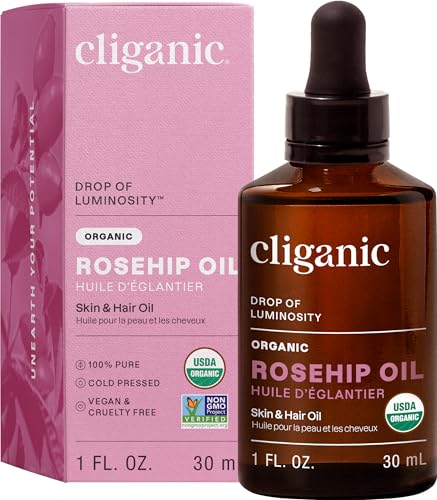
BEST ROSEHIP OIL Cliganic Organic Rosehip Seed Oil for Face. A well-rated single-ingredient rosehip oil.
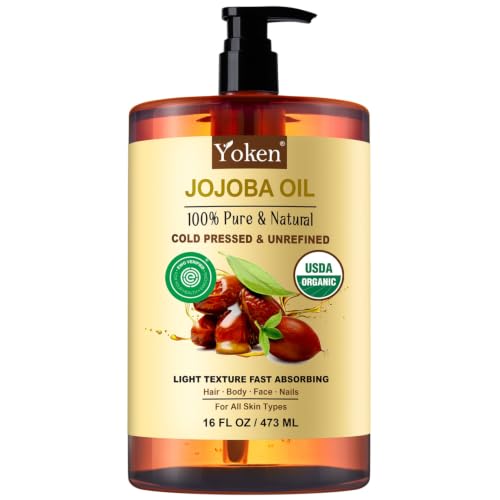
BEST JOJOBA OIL Yoken Organic Jojoba Oil. A large bottle of jojoba, an ingredient the AAD lists as helpful.
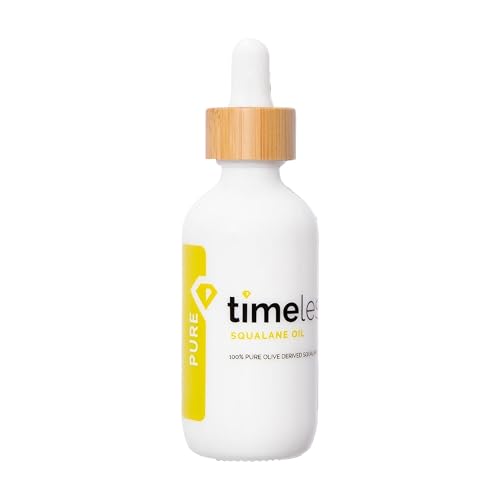
BEST SQUALANE OIL Timeless Squalane Oil. A pure, plant-based squalane oil with a strong rating.
How We Chose These Products
We started from Amazon listings for face oils and kept products rated 4.3 stars or higher with at least 500 ratings. We included different oil types, such as rosehip, squalane and jojoba, so you can compare, and limited each brand to two entries. We avoided near-duplicate listings and sponsored placements.
We have not tested these oils. Our notes come from listings, customer ratings and manufacturer details, which can change. Prices and ratings change often, so we do not print them here. Check the ingredient list on the current listing before you buy.
Comparison Table
| Pick | Key oil or ingredient | Best for |
|---|---|---|
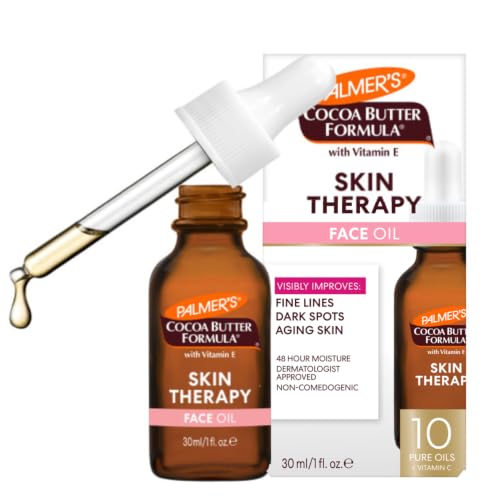
| Palmer’s Skin Therapy Face Oil | Cocoa butter blend | Shoppers who want a familiar brand |
| Cliganic Organic Rosehip Seed Oil for Face | Rosehip seed oil | Dry, dull-looking skin |
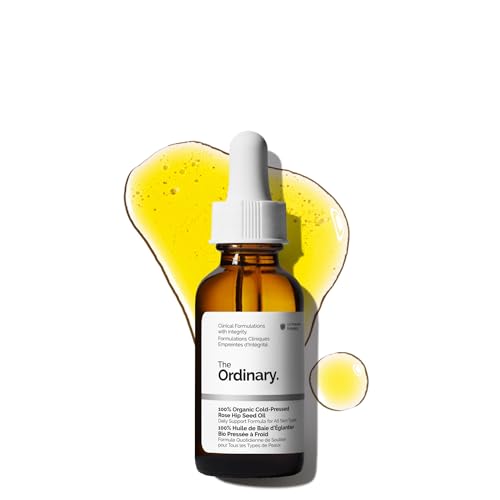
| The Ordinary 100% Organic Cold-Pressed Rose Hip Seed Oil | Rosehip seed oil | Simple, minimalist routines |
| Yoken Organic Jojoba Oil | Jojoba oil | Sensitive, dry skin that wants a simple oil |
| Timeless Squalane Oil | Plant-based squalane | Lightweight hydration |
| Good Molecules Squalane Oil | Squalane | Travel and small budgets |
| CeraVe Skin Renewing Gel Oil | Gel oil with hyaluronic acid | People who dislike heavy oils |
| SheaMoisture Overnight Face Oil | Coconut oil formula | Rich overnight hydration |
| BYOMA Hydrating Recovery Oil | Ultra-lightweight oil blend | Skin that dislikes greasy oils |
| Palmer’s Hydrating Facial Oil | Hydrating oil blend | Dry skin that wants a ready-made blend |
The 10 Best Face Oils for Dry Skin
1. Palmer’s Skin Therapy Face Oil
BEST KNOWN BRAND

A widely reviewed face oil from a familiar brand, built on a cocoa butter formula. It is a convenient ready-made face oil for dry skin if you want a simple, easy-to-find option.
Best for: Shoppers who want a familiar brand
2. Cliganic Organic Rosehip Seed Oil for Face
BEST ROSEHIP OIL

A single-ingredient rosehip seed oil with a large rating base. It suits people who want a simple face oil for dry skin without added fragrance or extras.
Best for: Dry, dull-looking skin
3. The Ordinary 100% Organic Cold-Pressed Rose Hip Seed Oil
BEST BUDGET ROSEHIP

A cold-pressed rosehip seed oil from a popular skincare brand known for simple formulas. It is a straightforward face oil for dry skin in minimal routines.
Best for: Simple, minimalist routines
4. Yoken Organic Jojoba Oil
BEST JOJOBA OIL

A USDA certified organic jojoba oil in a large bottle. Jojoba makes a good face oil for dry skin, and it is one of the oils the AAD lists among helpful ingredients for dry skin.
Best for: Sensitive, dry skin that wants a simple oil
5. Timeless Squalane Oil
BEST SQUALANE OIL

A pure, plant-based squalane oil. It is lightweight and absorbs quickly, which suits people who dislike heavy oils.
Best for: Lightweight hydration
6. Good Molecules Squalane Oil
BEST COMPACT SQUALANE

A lightweight squalane oil in a small bottle. It suits people who want to try squalane without committing to a large size.
Best for: Travel and small budgets
7. CeraVe Skin Renewing Gel Oil
BEST GEL OIL

A gel oil that combines oil with hyaluronic acid. It is a lighter-feeling option from a brand dermatologists often mention.
Best for: People who dislike heavy oils
8. SheaMoisture Overnight Face Oil
BEST OVERNIGHT OIL

An overnight face oil featuring virgin coconut oil. It is a richer face oil for dry skin that suits people who want a more cushioning feel at night.
Best for: Rich overnight hydration
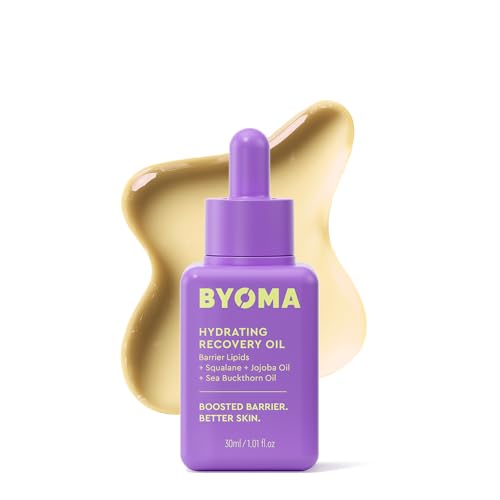
9. BYOMA Hydrating Recovery Oil
BEST LIGHTWEIGHT BLEND

An ultra-lightweight, non-greasy oil from BYOMA. It is a light face oil for dry skin for people who want oil benefits without a greasy feel.
Best for: Skin that dislikes greasy oils
10. Palmer’s Hydrating Facial Oil
BEST HYDRATING BLEND

A hydrating facial oil from Palmer’s with a large rating base. It is a convenient ready-made choice if you prefer a blend over a single oil.
Best for: Dry skin that wants a ready-made blend
How to Choose a Face Oil for Dry Skin
| Oil or ingredient | What it is known for |
|---|---|
| Rosehip seed oil | A light to medium oil often used for dryness and uneven tone. It can smell earthy. |
| Squalane | A lightweight, non-greasy oil that is often well tolerated by sensitive skin. |
| Jojoba oil | Technically a wax ester with a texture similar to skin oils. The AAD lists it as a helpful ingredient. |
| Coconut oil blends | Rich and moisturizing but can feel heavy, and some people find it clogs pores. |
| Gel oils and hybrid formulas | Combine oil with humectants such as hyaluronic acid for a lighter feel. |
Fragrance, essential oils and added botanical extracts are common causes of irritation. If your skin stings, turns red or itches, stop using the product. Persistent dryness, burning or irritation is a reason to see a dermatologist, because dry skin can be linked to conditions that need treatment.
Disclaimer. This article is general information for education and is not medical advice. Talk to a doctor or dermatologist about your skin.
How to Use a Face Oil on Dry Skin
- Patch-test a small area, such as behind the ear or on the inner forearm, and wait a day before using it on your face.
- Apply to damp skin after bathing, since oil helps seal in moisture rather than adding it.
- Use a few drops at a time. More is not better, and too much can feel greasy.
- Layer oil after a water-based serum or moisturizer, not before.
- Wash your hands and keep the bottle closed. Store it away from heat and sunlight.
Honest Limits
- We did not test these oils. The notes come from listings and customer ratings.
- Skin reacts differently to each oil, so a popular pick may not suit you.
- Rating counts include all shoppers, not only people with dry skin.
- Formulas change. Check the current ingredient list on each listing.
- Face oils are not a treatment for skin conditions. See a dermatologist if dryness persists.
Who Should Use a Face Oil for Dry Skin
A face oil for dry skin suits people whose skin feels tight, rough or flaky after cleansing, especially in cold or dry weather. Oils do not add water to the skin. Instead, they help slow moisture loss, so many people apply an oil on top of a water-based product. That is why a face oil often works best as one step in a routine, not as the only product.
However, an oil is not right for everyone. If your skin reacts to fragrance or plant extracts, a simple single-ingredient oil is usually a safer start than a blend. In short, match the oil to your skin type and tolerance, not to the label’s promises.
How to Apply a Face Oil for Dry Skin
Timing matters. The American Academy of Dermatology advises applying moisturizer while skin is still damp after bathing, and the same habit helps when you use a face oil for dry skin (AAD: dry skin relief). The AAD also suggests keeping showers to about 5 to 10 minutes with warm water, and patting your skin dry instead of rubbing.
- Cleanse gently, then pat your face so it stays slightly damp.
- Apply any water-based serum or moisturizer first.
- Warm two or three drops of oil between your palms.
- Press the oil onto your face and neck instead of rubbing it in.
- In the morning, finish with sunscreen over the oil once it has settled.
Start with fewer drops than you think you need. You can always add a little more, but a heavy layer can feel greasy and may transfer onto pillows and collars.
Ingredients to Look for in a Face Oil for Dry Skin
Ingredients decide how an oil feels and how well your skin tolerates it. The guide below lists common choices, and the AAD names jojoba oil among helpful ingredients for dry skin. Rosehip seed oil is light to medium, squalane is lightweight and non-greasy, and coconut oil blends are rich but can feel heavy.
Read the label for fragrance. The AAD recommends fragrance-free products and warns that products labeled unscented can contain chemicals that mask odors, which may irritate dry skin. It also lists fragrance and alcohol among ingredients to avoid. So a short ingredient list with no added scent is a sensible choice for a face oil for dry skin.
Patch Testing a Face Oil for Dry Skin
Before you put a new oil all over your face, test a small area first. Apply a drop to the inside of your forearm or behind your ear for two or three days and watch for redness, itching or stinging. If any of these appear, wash the oil off and stop using it. Patch testing is quick, and it is the easiest way to avoid a reaction on your face.
Also introduce one new product at a time. If you add an oil, a new serum and a new cleanser in the same week, you will not know which one caused a problem.
Building a Routine Around a Face Oil for Dry Skin
A simple routine is easier to stick with. In the morning, cleanse gently or rinse with water, apply a moisturizer, then use a few drops of oil if your skin needs it, and finish with sunscreen. At night, cleanse, apply a serum or moisturizer, and seal with oil. If you like to compare plant oils, our best organic castor oil guide covers a thicker option, though it is not made for the face.
When a Face Oil for Dry Skin Is Not Enough
The AAD advises seeing a dermatologist if dryness persists after you try home care, if a product causes burning, stinging or irritation, or if the dryness may point to an underlying condition. A dermatologist can recommend a treatment plan, which may include prescription options. A face oil is a comfort measure, not a substitute for medical advice.
Frequently Asked Questions
What is the best face oil for dry skin?
There is no single best oil for everyone. Simple, fragrance-free options such as rosehip seed oil, squalane and jojoba are good starting points, and the AAD lists jojoba oil among helpful ingredients for dry skin.
Can a face oil replace my moisturizer?
Usually not. Oils help seal in moisture but add little water on their own, so most people layer oil over a moisturizer or serum.
When should I apply face oil?
Apply it after a water-based serum or moisturizer, on damp skin. Many people use it at night, and some use a few drops in the morning before sunscreen.
More Face Oil for Dry Skin Questions
Is rosehip oil good for dry skin?
Many people use it for dryness, and it is popular, but reactions vary. Patch-test first.
What is squalane and is it good for sensitive skin?
Squalane is a lightweight, non-greasy oil. It is often well tolerated, but anyone can react to any product, so patch-test.
Will face oil clog my pores?
Some oils are more likely to clog pores than others, and it varies by person. If you break out, stop using the product.
Can I use face oil every day?
Many people do, in small amounts. Reduce use or stop if your skin becomes irritated.
How many drops should I use?
A few drops are usually enough for the whole face. Start small and add more only if needed.
Are fragrance-free face oils better?
For dry or sensitive skin, yes, as fragrance is a common irritant. The AAD advises choosing fragrance-free products and notes that products labeled unscented can contain masking chemicals.
When should I see a dermatologist?
See one if dryness continues after home care or if products cause burning, stinging or irritation, since dry skin can be linked to underlying conditions.
Face Oil for Dry Skin FAQs
Is a face oil for dry skin better than a moisturizer?
They do different jobs. Oils mostly help slow moisture loss, while creams and ointments add and hold moisture. Many people use both, applying the oil after a water-based product.
How often should I use a face oil for dry skin?
Most people use a few drops once or twice a day. Start with one application, watch how your skin responds, and add a second only if it still feels tight.
Can a face oil for dry skin cause breakouts?
Some oils can feel heavy or clog pores for some people, and fragrance can cause irritation. Choose a simple, fragrance-free oil, patch test first, and stop if your skin reacts.
The Bottom Line
For most people with dry skin, a simple oil such as rosehip, squalane or jojoba is the best place to start. Cliganic rosehip, Timeless squalane and Yoken jojoba are well-reviewed picks, and Palmer’s and CeraVe offer ready-made options.
Apply oil on damp skin over a moisturizer, patch-test first, and avoid fragrance if your skin is sensitive. See a dermatologist if dryness persists or irritation appears.
Last reviewed: October 23, 2026.