A rotator cuff injury can make everyday tasks, from reaching for a shelf to sleeping on your side, painful and frustrating. Any shoulder brace for rotator cuff problems, like a sling or ice wrap, is sold as a comfort and support aid, but none is a treatment for the injury itself, and the wrong one can make your shoulder stiffer if used without guidance.
What is the best shoulder brace for a rotator cuff injury? There is no single best product, because it depends on what your doctor has advised. If you have been told to rest the arm in a sling after an injury or surgery, well-reviewed options include the Think Ergo Arm Sling and the Vive Shoulder Abduction Sling. If you want light support or cold therapy during recovery, the Suptrust Shoulder Brace and wraps such as the Fittest Pro, Arctic Flex or TheraICE are popular choices. None of these products treat a tear. See an orthopedic doctor to diagnose the injury and plan treatment before relying on any of them.
In short: choose any shoulder brace for rotator cuff support, or a sling, only as your doctor advises, pick one that is adjustable and comfortable, and treat it as a support aid, not a treatment.
According to the American Academy of Orthopaedic Surgeons, most rotator cuff tears can be treated without surgery, using options such as anti-inflammatory medication and physical therapy, and rehabilitation is important with or without surgery. It also advises seeing an orthopaedic surgeon for a shoulder injury or ongoing shoulder pain. Read more on the OrthoInfo rotator cuff tears FAQ.
This guide was written by researching customer ratings and product listings, not by testing each product ourselves. Below you will find our top three, how we chose, a comparison table, ten picks with honest drawbacks, a buying guide and answers to common questions. It is general information, not medical advice.

Recommended Shoulder Brace for Rotator Cuff Injury and Slings
As an Amazon Associate we earn from qualifying purchases. These are research-based picks, not products we have tested. How we choose.






Our Top 3 Picks
BEST ADJUSTABLE SLING Think Ergo Arm Sling. An adjustable, breathable sling with a large rating base.
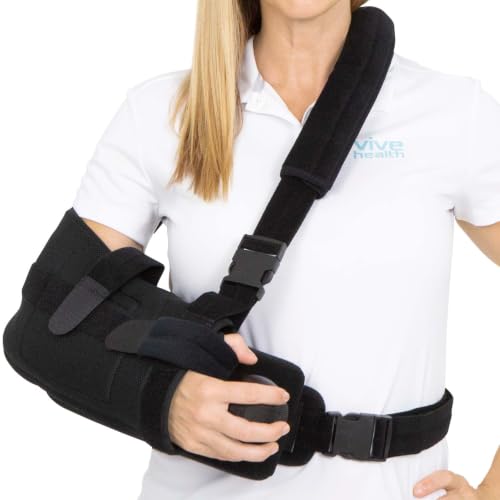
BEST ABDUCTION SLING Vive Shoulder Abduction Sling. An abduction sling that holds the arm slightly away from the body.
BEST SUPPORT BRACE Suptrust Shoulder Brace. An adjustable shoulder wrap listed for rotator cuff and AC joint use.
How We Chose Each Shoulder Brace for Rotator Cuff Use
We started from Amazon listings for shoulder slings, braces and ice wraps marketed for rotator cuff problems and kept products rated 4.3 stars or higher with at least 500 ratings first. A few products with fewer ratings were included to cover each type, and we limited each brand to two entries. We avoided near-duplicate listings and sponsored placements.
We have not tested these products and they are not a substitute for medical care. Our notes come from listings, customer ratings and manufacturer details, which can change. Prices and ratings change often, so we do not print them here. Check the current listing before you buy.
Comparison Table
| Pick | Type | Best for |
|---|---|---|
| Split-Strap Arm Sling for Shoulder Injury | Arm sling | Short-term rest after injury or surgery |
| Think Ergo Arm Sling | Arm sling | Adjustable support during recovery |
| Vive Shoulder Abduction Sling | Abduction sling | Post-surgery positioning when advised |
| Suptrust Shoulder Brace | Shoulder wrap | Light support during daily activity |
| Fittest Pro Shoulder Ice Pack Wrap | Cold wrap | Cold therapy sessions |
| Arctic Flex Shoulder Ice Pack Brace | Cold wrap | Wrap with a compression sleeve |
| TheraICE Shoulder Ice Pack Wrap PRO | Cold wrap | Cold plus compression |
| VISKONDA Arm Sling Shoulder Immobilizer | Arm sling | A second sling option |
| Arm Sling Shoulder Immobilizer (Men and Women) | Arm sling | Basic sling needs |
| REVIX XL Shoulder Ice Pack Wrap | Cold wrap | Larger shoulders needing a bigger wrap |
10 Picks for a Shoulder Brace for Rotator Cuff Recovery
1. Split-Strap Arm Sling for Shoulder Injury
BEST OVERALL SLING

A split-strap arm sling listed for rotator cuff, fracture and surgery recovery, with the largest rating base of the slings here. It is a straightforward pick if your doctor has advised a sling.
Best for: Short-term rest after injury or surgery
2. Think Ergo Arm Sling
BEST ADJUSTABLE SLING

An adjustable, breathable arm sling listed for rotator cuff support. It has a large rating base and many adjustment points.
Best for: Adjustable support during recovery
3. Vive Shoulder Abduction Sling
BEST ABDUCTION SLING

A shoulder abduction sling that holds the arm slightly away from the body, which is sometimes used after surgery. It is the most specialized sling here.
Best for: Post-surgery positioning when advised
The next picks move from slings to light support and cold therapy, so they suit anyone comparing a shoulder brace for rotator cuff comfort with a sling.
4. Suptrust Shoulder Brace
BEST SUPPORT BRACE

An adjustable shoulder wrap that offers light support and compression. It is listed for use with rotator cuff and AC joint problems.
Best for: Light support during daily activity
5. Fittest Pro Shoulder Ice Pack Wrap
BEST ICE WRAP

A reusable shoulder ice wrap with a large number of ratings, listed as HSA or FSA eligible. It holds a gel pack against the shoulder.
Best for: Cold therapy sessions
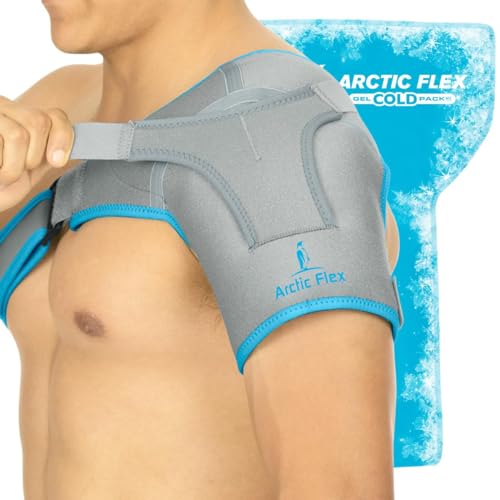
6. Arctic Flex Shoulder Ice Pack Brace
BEST GEL WRAP

A cold gel wrap for the shoulder that also acts as a light compression brace. It is a popular, widely reviewed choice.
Best for: Wrap with a compression sleeve
7. TheraICE Shoulder Ice Pack Wrap PRO
BEST COMPRESSION WRAP

A shoulder ice wrap with a compression sleeve, listed for rotator cuff use. It suits people who want cold and compression together.
Best for: Cold plus compression
The last picks repeat the sling and cold-wrap types in different designs. Whichever shoulder brace for rotator cuff care you consider, confirm it with your clinician first.
8. VISKONDA Arm Sling Shoulder Immobilizer
BEST VALUE SLING

An arm sling and shoulder immobilizer with a solid rating base. It suits people who want another sling option beside the leading brands.
Best for: A second sling option
9. Arm Sling Shoulder Immobilizer (Men and Women)
BEST BUDGET SLING

A simple arm sling and shoulder immobilizer sold in sizes for men and women. It suits people who just need a basic sling.
Best for: Basic sling needs
10. REVIX XL Shoulder Ice Pack Wrap
BEST EXTRA-LARGE WRAP

An extra-large shoulder ice wrap with two gel packs. It suits people who find standard wraps too small.
Best for: Larger shoulders needing a bigger wrap
How to Choose a Shoulder Brace for Rotator Cuff Recovery
| Type | What it is used for |
|---|---|
| Arm sling | Rests the arm after injury or surgery when a doctor advises it. Look for adjustable straps and breathable fabric. |
| Abduction sling | Holds the arm slightly away from the body, often used after certain surgeries. Use only as directed. |
| Shoulder brace or wrap | Adds light compression and a feeling of support during daily activity. |
| Ice or cold wrap | Holds a cold pack against the shoulder. Many include removable gel packs. |
Check the side (left or right) and size before ordering. A sling or brace that is too tight can cause numbness, and one that is too loose gives little support.
When to see a professional. See an orthopaedic doctor for shoulder pain that lasts, weakness, trouble lifting the arm, or pain at night. Early diagnosis matters, and a doctor can tell you whether a sling, brace or therapy is right for you.
Disclaimer. This article is general information for education and is not medical advice. Talk to a doctor or physical therapist about your injury.
Using a Shoulder Brace for Rotator Cuff Recovery Safely
- Use a sling or brace only as long as your doctor advises, because long rest can lead to stiffness.
- Check your hand and fingers for numbness, tingling or swelling, and loosen the strap if you notice them.
- Keep the skin clean and dry under straps to avoid irritation.
- Follow your physical therapist exercises. A brace does not replace them.
- Cold wraps are normally used in short sessions with a cloth between the pack and your skin.
Honest Limits of a Shoulder Brace for Rotator Cuff Care
- We did not test these products. The notes come from listings and customer ratings.
- The OrthoInfo article does not discuss slings or braces, so we cite it only for treatment and when to see a doctor.
- Slings, braces and ice wraps do not treat a tear and are not a substitute for medical care.
- The REVIX wrap has a smaller rating base than the others.
- Listings change, so confirm side, size and included parts.
Choosing a Shoulder Brace for Rotator Cuff Recovery by Stage
The right support depends on where you are in recovery, and only your clinician can tell you that. This table shows how the product types in this guide usually fit different situations. Use it to prepare for an appointment, not to replace one.
| Situation | Goal | Type to discuss with your doctor |
|---|---|---|
| Right after an injury or surgery | Rest the arm as advised | Arm sling or abduction sling |
| Early recovery and daily tasks | Light support and reminders to move carefully | Shoulder brace or wrap |
| Sore after activity | Comfort between exercise sessions | Cold wrap used in short sessions |
| Active rehabilitation | Rebuild strength and range of motion | Physical therapy exercises first, support only if advised |
A shoulder brace for rotator cuff problems should never replace exercises or a diagnosis. If it makes pain worse or your fingers feel numb, loosen it and call your care team.
Questions to Ask Before Buying a Shoulder Brace for Rotator Cuff Pain
- Do I need a sling, a brace or neither at this stage of recovery?
- How many hours a day should I wear it, and when should I stop?
- Can I sleep in it, or should I use pillows or a recliner instead?
- Which exercises should I keep doing while I wear it?
- Is cold therapy appropriate for me, and for how long each session?
- Which warning signs mean I should call you right away?
Write the answers down and bring the product listing to the visit. Many people also find that a comfortable chair helps in the first weeks, so our guide to recliners for seniors may be useful for planning rest at home.
Daily Tasks With a Shoulder Brace for Rotator Cuff Injury
Dressing, showering and sleeping are the hardest parts of the first weeks. Loose, front-opening tops are easier to manage than pullovers, and most people find it easier to put the injured arm into the sleeve first and take it out last. Ask your therapist for tips that suit your specific injury before you change how you move the arm.
Your hand and wrist can feel stiff when the arm rests for long periods. Gentle hand movements, when your doctor allows them, help keep the fingers loose. Some people also use a hand massager for sore fingers, but check with your clinician first if you have swelling or numbness.
How to Spot a Weak Listing
- Claims that a product heals, repairs or cures a tear, which no sling or wrap can do.
- No clear left or right arm option, or no size chart.
- Photos that show only one angle and no strap, buckle or padding detail.
- Vague materials with no mention of breathable fabric or washing instructions.
- Reviews that mention numbness, slipping straps or a poor fit in the same way.
When a listing makes medical promises, treat that as a warning and look for plain descriptions of fit and materials instead.
Frequently Asked Questions
What is the best shoulder brace for a rotator cuff injury?
It depends on your doctor advice. Slings and abduction slings are used for rest after injury or surgery, while braces and wraps offer light support. None treat a tear.
Can a brace heal a rotator cuff tear?
No. Braces and slings can support or rest the arm, but treatment is decided with a doctor and often includes physical therapy and, in some cases, surgery.
Do I need a sling for a rotator cuff injury?
Only if your doctor recommends it. Long periods of rest can make the shoulder stiff.
How long should I wear a sling?
As long as your doctor or surgeon tells you. Do not choose your own schedule.
Are shoulder ice wraps worth it?
Many people find cold therapy comfortable, but it does not repair a tear. Use short sessions and a cloth barrier.
Can I sleep in a shoulder brace?
Ask your doctor. Some people are told to wear a sling at night after surgery, while others are advised against it.
How do I pick the right size and side?
Check the size chart and whether the product is for the left or right arm. A poor fit gives little support.
What does the AAOS say about treatment?
It says most rotator cuff tears can be treated without surgery, with options such as anti-inflammatory medication and physical therapy, and that rehabilitation matters either way.
When should I see a doctor?
See an orthopaedic doctor for shoulder pain that lasts, weakness, trouble lifting the arm or pain at night.
Are these products covered by insurance or HSA/FSA?
Some listings mention HSA or FSA eligibility, but coverage varies by plan. Check with your plan before you buy.
Is a shoulder brace for rotator cuff injury different from a sling?
Yes. A sling rests the arm, often after an injury or surgery when a doctor advises it, while a brace or wrap gives light compression and a feeling of support during daily tasks.
Can I exercise while wearing a brace?
Only if your physical therapist says so. Follow your rehab plan, because a brace does not replace the exercises and wearing one at the wrong time can add stiffness.
How do I dress with my arm in a sling?
Choose loose, front-opening tops and put the injured arm into the sleeve first. Ask your therapist for tips that suit your injury.
The Bottom Line
Slings, braces and ice wraps can make recovery more comfortable, and the Think Ergo and Vive slings and the Suptrust brace are well-reviewed starting points. They are support aids and do not treat a rotator cuff tear.
See an orthopaedic doctor to diagnose the injury, ask which type of support suits you and follow your rehab plan. Confirm the current listing before you buy.
Last reviewed: October 17, 2026.