When you trim dog paws, the shorter fur helps with traction and keeps dirt from clumping. Go slowly and reward calm behavior.

Steps to trim dog paws
- First, let the dog sniff the tool.
- Then hold the paw gently.
- Trim only fur between the pads.
- Use blunt-tip scissors or a quiet trimmer.
- Finally, give treats and breaks.

Tools to trim dog paws
| # | Product | Where to check |
|---|---|---|
| 1 | oneisall Dog Paw Trimmer, Small Dog Clippers with Double Blades Global Recycled Standard Glo… | Check current price on Amazon |
| 2 | oneisall Dog Clippers and Paw Trimmer Kit for Small Large Dogs Cats Global Recycled Standard… | Check current price on Amazon |
| 3 | Afloia 6-in-1 Dog Grooming Vacuum Kit, Pet Clipper & Nail Grinder, White | Check current price on Amazon |
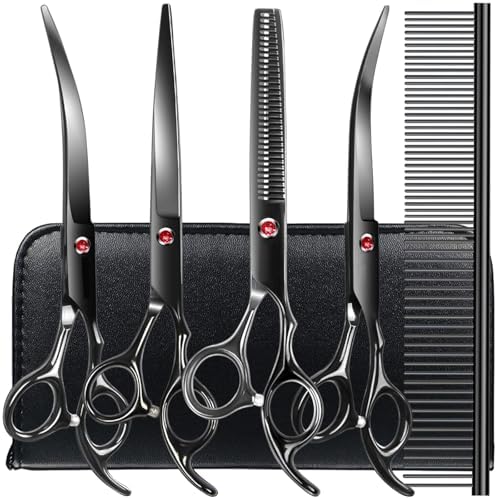
| 4 | GLADOG Professional 5 in 1 Dog Grooming Scissors Set with Safety Round Tips, Sharp and Heavy… | Check current price on Amazon |
| 5 | Gimars Titanium Coated Professional 6 in 1 4CR Stainless Steel Dog Grooming Scissors with Sa… | Check current price on Amazon |
| 6 | TINMARDA Dog Grooming Kit, Titanium Black Stainless Steel Dog Grooming Scissors with Curved … | Check current price on Amazon |
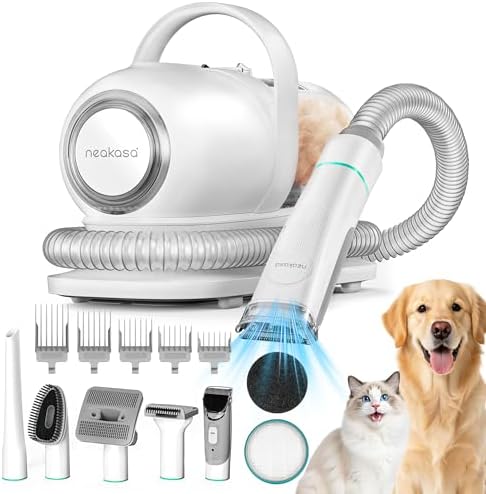
| 7 | Neakasa P1 Pro Dog Grooming Vacuum, 6-in-1 Kit, 2-Year Protection Plan | 9000Pa Powerful Suc… | Check current price on Amazon |
| 8 | oneisall Dog Grooming Vacuum,7 in 1 Grooming kit Tools with Low Noise Global Recycled Standa… | Check current price on Amazon |
As an Amazon Associate we earn from qualifying purchases. Prices and availability change, so confirm the price on Amazon before buying. These are research-based picks, not products we have tested. How we choose.




Tips to trim dog paws safely
- Never cut skin or pads.
- Also, stop if the dog is anxious.
- Ask a groomer to demonstrate.
Brushing and Bathing to Keep Paws Healthy
Regular brushing keeps your dog’s coat free of mats and helps spread natural oils. For paws, check between the toes after walks for burrs, seeds, ice and debris. Likewise, bathe your dog with a dog-safe shampoo, and rinse thoroughly, because soap residue can irritate skin. Dry the paws well, especially between toes, to prevent yeast or bacterial growth caused by moisture. In winter, wipe paws after walks to remove salt and de-icing chemicals, which can irritate or be harmful if licked.
Signs of Paw Problems to Watch For
- Limping or favoring one foot.
- Redness, swelling or discharge between the toes.
- Likewise, excessive licking or chewing of the paws.
- Cracked, dry or bleeding pads.
- A foul smell from the paws.
- Growths, lumps or sores that do not heal.
Nail Care Basics
Long nails can be uncomfortable and affect how a dog walks. For instance, many dogs wear their nails down on pavement, but others need regular trimming. Use a trimmer designed for dogs and trim a small amount at a time, avoiding the quick, the sensitive part inside the nail that contains blood vessels. In light-colored nails, you can see the quick as a pink area; in dark nails, trim very small bits. If you are unsure, ask a vet or groomer to show you the technique, and keep styptic powder on hand in case of bleeding.
Making Grooming Positive
Dogs are more cooperative when grooming is a positive experience. Start with short sessions and plenty of treats. Also handle the paws gently during everyday cuddles so they become used to touch. Stay calm, and if your dog becomes distressed, stop and try again later. Over time, many dogs learn to tolerate or even enjoy grooming.
Training Your Dog to Accept Grooming
- Start by touching the paws for a few seconds and rewarding with a treat.
- Gradually increase the time and add handling between the toes.
- Afterwards, introduce the sound of the trimmer from a distance before bringing it near.
- Use a calm voice and keep sessions short.
- Above all, end each session on a positive note, even if you did not finish.
Dog Breeds That Need Paws Trimmed More Often
Breeds with long or feathered coats, such as spaniels, retrievers, Shih Tzus and Old English Sheepdogs, often grow fur between their pads that needs regular trimming. In contrast, short-haired breeds usually need less. If your dog slips on hard floors or you notice mats between the toes, it may be time for a trim. Ask your groomer or vet how often your dog’s coat needs attention.
Keeping Floors Safe for Dogs
Slippery floors can be hard on dogs, especially older ones. Fortunately, trimmed paw fur helps with traction, and rugs or runners provide grip. If your dog struggles on stairs or hard floors, ask your vet about joint health and possible solutions.
Related guides
How Often to Trim Dog Paws by Coat Type
How often you trim dog paws depends mostly on the coat. Use the table below as a starting point, then adjust to how fast the fur between the pads grows back.
| Coat type | Examples | Trim frequency | Notes |
|---|---|---|---|
| Short, smooth coat | Beagle, Boxer, Labrador | Rarely, if ever | Check pads and nails instead. Fur rarely grows past the pads. |
| Double coat | Golden Retriever, Husky, Border Collie | Every 4 to 8 weeks | Fur between the pads mats and collects snow and burrs. |
| Long or silky coat | Shih Tzu, Yorkshire Terrier, Cocker Spaniel | Every 3 to 4 weeks | Fast-growing fur that slides on hard floors. |
| Curly or wool coat | Poodle, Doodle crosses, Bichon | Every 3 to 4 weeks | Curls trap debris and hide small cuts. |
| Wire coat | Terriers, Schnauzers | Every 6 to 8 weeks | Usually done with a full groom. |
The ASPCA grooming tips recommend trimming the hair between the toes so it sits level with the pads, which prevents painful matting, and checking the paws regularly for wounds and lodged debris such as foxtails or pebbles.
Trimmer vs Scissors: Which Tool to Trim Dog Paws
Both tools work, but they suit different dogs. A small cordless paw trimmer is quicker and safer on wriggly dogs, because the guarded blade cannot stab the skin. In contrast, blunt-tipped grooming scissors give more control around a single mat or a nervous dog that dislikes the buzz.
Many owners keep both. For a shortlist of quiet, low-vibration tools, see our guide to the best paw trimmers for dogs. If you prefer scissors, our roundup of the best dog grooming scissors covers rounded-tip pairs. Owners of heavy shedders may also like a dog grooming vacuum, which collects loose fur as you trim.
Who Should Not Trim Dog Paws at Home
Home grooming is not for every dog or every owner. It is better to book a groomer or ask your vet if any of these apply:
- Your dog growls, snaps or panics when the paws are touched, even after a week of gentle handling practice.
- The fur between the pads is already matted into hard lumps. Cutting mats close to the skin is where most nicks happen.
- You see redness, swelling, discharge or a bad smell between the toes, which needs a vet rather than a trim.
- Your hands shake or your eyesight makes small blades risky.
- The dog is a puppy under about four months that has not yet learned to accept handling.
How to Spot a Low-Quality Paw Trimmer Listing
Cheap trimmers can pull fur and overheat. Therefore, check the listing for these details before you order:
- Noise level: a stated figure of around 50 to 60 decibels is a good sign. No figure at all usually means a loud motor.
- Blade material: ceramic or stainless steel blades stay cool. Vague terms like alloy are a warning.
- Blade width: paw trimmers should have a narrow head, roughly one inch or less, so it fits between the toes.
- Battery details: a listed run time and charging method show the maker expects regular use.
- Reviews that mention pulling: several complaints about snagging point to dull or badly aligned blades.
Frequently asked questions
How often should I trim paw fur?
Every few weeks for long-haired breeds. Short-coated dogs rarely need their paws trimmed at all.
Can I use human clippers?
Use tools made for pets. A dedicated pet trimmer is quieter and safer to trim dog paws.
What if the dog hates it?
Take breaks, or alternatively ask a groomer.
Should I trim nails too?
Only if you know how. Otherwise, ask a vet to demonstrate.
Do you list prices?
No. Check the live price on Amazon.
How often should I trim my dog’s paw fur?
Every few weeks to a couple of months for long-haired breeds, depending on how fast the fur grows and how dirty the paws get.
Can I use human clippers on my dog?
Use tools made for pets. Human clippers can pull on fur and overheat.
What if my dog hates having its paws touched?
Practice gentle handling with treats over several days, and use short sessions. A groomer or trainer can help.
Should I trim between the pads?
Yes, if fur extends beyond or between the pads. Trim carefully and avoid cutting the skin.
More questions about how to trim dog paws
Can I trim dog paws with a regular beard trimmer?
It is not ideal. Human trimmers are louder, run hotter and have wider blades. A pet paw trimmer with a narrow, guarded head is safer between the toes.
Should I trim dog paws before or after a bath?
After, once the paws are fully dry. Clean, dry fur combs upright and cuts evenly, while wet fur clumps and hides the pads.
What is the safest position to trim dog paws?
Lying on the side on a non-slip mat works for most dogs. Support the leg at the joint, and keep the blade parallel to the pad surface.
This is general information, not veterinary advice. Ask a vet or groomer if you see sores or have concerns. Product picks are research-based, not tested by us. Check current prices and details on Amazon.
More guides you may like
- Amazon Black Friday 2026: Dates, Tips and Products to Watch
- Black Friday 2026 Home and Kitchen Deals to Watch
- Black Friday 2026 Home Office Deals to Watch
- Best Paw Trimmers for Dogs: 10 Top-Rated Picks
- 10 Best Undercounter Ice Maker for Home and Commercial Use Reviewed
- Best Dog Grooming Scissors: 10 Top-Rated Picks