A good pumice stone for feet helps remove rough, dry skin from heels and the sides of your feet so they feel smoother. Some shoppers prefer a natural lava stone, others a stainless steel rasp, and some like a glass or terra-cotta stone that lasts longer. This list covers all of those styles so you can match the tool to how you like to care for your feet.
What is the best pumice stone for feet? Based on ratings and rating volume, the Rikans Colossal foot file is the strongest pick at 4.7 stars across over 109,000 ratings, while the Maryton natural lava pumice stones are the top pick for a traditional stone.
In short: use a stone on wet skin, a rasp on dry skin, go gently, and check each listing for pack size, material and handle before you order.
Use light pressure and work gradually rather than trying to remove all the rough skin at once. Rinse the tool after use, let it dry fully and replace it when it wears down. If you have diabetes, poor circulation or numb feet, ask a doctor or podiatrist before using any callus remover.
This guide was written by researching customer ratings and product listings, not by testing each product ourselves. Below you will find our top three, how we chose, a comparison table, ten picks with honest pros and cons, a buying guide, tips and answers to common questions.

Recommended Pumice Stones for Feet
As an Amazon Associate we earn from qualifying purchases. These are research-based picks, not products we have tested. How we choose.
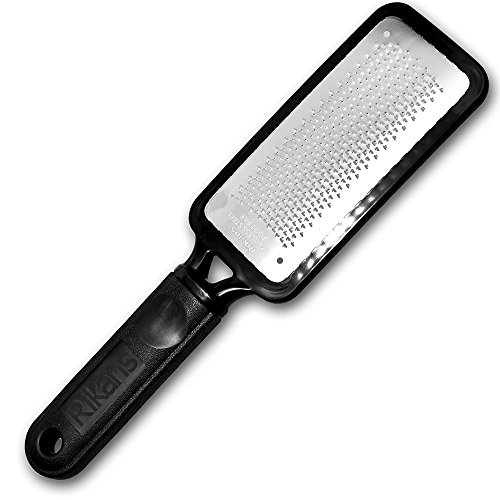


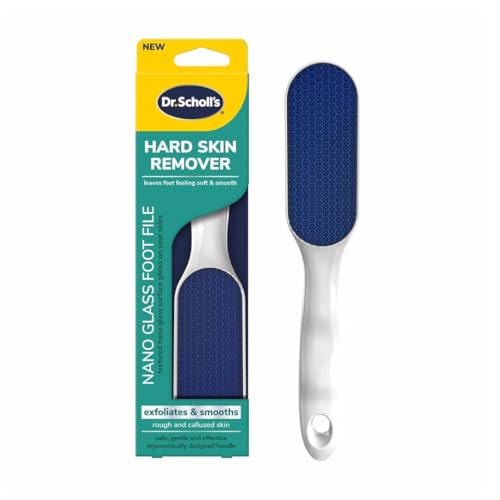


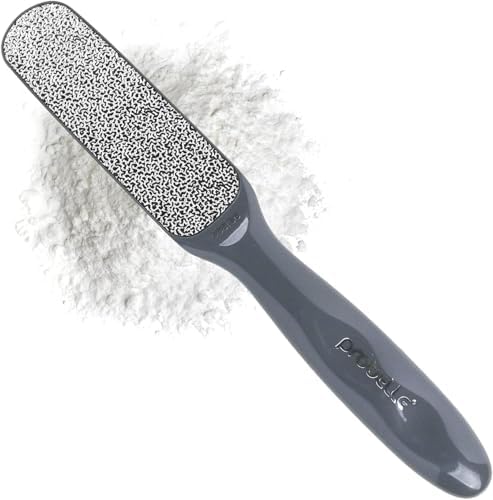

Our Top 3 Pumice Stone Picks
BEST OVERALL Rikans Colossal Foot File Foot Rasp. A colossal stainless steel foot file and rasp for smoother feet, rated 4.7 across over 109,000 ratings.
BEST PUMICE MULTI-PACK Maryton Foot Pumice Stone for Feet (Pack of 4). A pack of four pumice stones for hard skin and calluses, rated 4.4 across over 69,000 ratings.
BEST NATURAL LAVA STONE Maryton Natural Lava Pumice Stone for Feet. A natural lava pumice stone and foot exfoliator for dead skin and calluses, rated 4.4 across over 69,000 ratings.
How We Chose These Products
We started from Amazon listings for pumice stones for feet and kept products rated 4.3 stars or higher, favoring those with at least 500 ratings. We allowed no more than two products per brand. Every pick has at least 500 ratings.
Pumice Stone for Feet Comparison Table
| Pick | Type and material | Best for |
|---|---|---|
| Rikans Colossal Foot File Foot Rasp | Stainless steel rasp | Most buyers |
| Maryton Foot Pumice Stone for Feet (Pack of 4) | Pack of 4 stones | Households |
| Maryton Natural Lava Pumice Stone for Feet | Natural lava stone | Traditional stone fans |
| Colossal Pedicure Rasp Foot File | Stainless steel rasp | Pedicure fans |
| Fu Store 2 Pack Dual Sided Foot Files | 2-pack, dual sided | Two-tool routines |
| Dr. Scholl’s Nano Glass Foot File | Nano glass file | Long-lasting file fans |
| Pumice Stone for Feet Terra-Cotta Foot Exfoliator | Terra-cotta stone | Buyers wanting a durable stone |
| Professional Pedicure Foot File Colossal Stainless Steel Detachable | Detachable stainless steel | Easy cleaning |
| Probelle Double Sided Nickel Foot File Callus Remover | Double sided nickel file | Two grit levels |
| Easkep Professional Foot File Callus Remover | Foot grater rasp | Thick skin |
The 10 Best Pumice Stones for Feet
1. Rikans Colossal Foot File Foot Rasp
BEST OVERALL

A colossal stainless steel foot file and rasp for smoother feet, rated 4.7 across over 109,000 ratings.
Best for: Most buyers
2. Maryton Foot Pumice Stone for Feet (Pack of 4)
BEST PUMICE MULTI-PACK

A pack of four pumice stones for hard skin and calluses, rated 4.4 across over 69,000 ratings.
Best for: Households
3. Maryton Natural Lava Pumice Stone for Feet
BEST NATURAL LAVA STONE

A natural lava pumice stone and foot exfoliator for dead skin and calluses, rated 4.4 across over 69,000 ratings.
Best for: Traditional stone fans
4. Colossal Pedicure Rasp Foot File
BEST PROFESSIONAL RASP

A professional stainless steel pedicure rasp that removes hard skin, rated 4.6 across over 34,000 ratings.
Best for: Pedicure fans
5. Fu Store 2 Pack Dual Sided Foot Files
BEST 2 PACK

A two-pack of dual-sided foot files for calluses, rated 4.7 across nearly 22,000 ratings.
Best for: Two-tool routines
6. Dr. Scholl’s Nano Glass Foot File
BEST GLASS FILE

A nano glass foot file for soft, smooth feet, rated 4.6 across over 20,000 ratings.
Best for: Long-lasting file fans
7. Pumice Stone for Feet Terra-Cotta Foot Exfoliator
BEST LONG-LASTING STONE

A terra-cotta pumice stone listed as lasting more than five years, rated 4.4 across nearly 18,000 ratings.
Best for: Buyers wanting a durable stone
8. Professional Pedicure Foot File Colossal Stainless Steel Detachable
BEST DETACHABLE FILE

A colossal stainless steel foot file with a detachable head for removing hard skin, rated 4.6 across over 12,000 ratings.
Best for: Easy cleaning
9. Probelle Double Sided Nickel Foot File Callus Remover
BEST DOUBLE-SIDED

A double-sided nickel foot file and callus remover, rated 4.7 across over 12,000 ratings.
Best for: Two grit levels
10. Easkep Professional Foot File Callus Remover
BEST FOOT SCRAPER

A professional foot file and rasp for corns and calluses, rated 4.7 across nearly 12,000 ratings.
Best for: Thick skin
How to Choose a Pumice Stone or Foot File
| Factor | What to look for |
|---|---|
| Material | Natural lava stone is traditional; stainless steel rasps and glass files last longer. |
| Wet or dry | Stones work best on wet skin; many rasps are used on dry skin. Check the listing. |
| Grit | Medium grit suits regular care; coarse grit suits thick skin but needs a gentle hand. |
| Pack size | Multi-packs suit households and pedicure routines; single files are easy to carry. |
| Cleaning | Choose a tool that rinses clean and dries quickly. |
Buying and Care Tips
- Soak your feet first if you use a stone.
- Use light pressure and stop if the skin feels tender.
- Rinse and dry the tool after each use.
- Moisturize your feet after smoothing.
Honest Limits
- We did not test these products. The notes come from listings and customer ratings.
- We did not test these tools. The notes come from listings and customer ratings.
- Some listings are multi-packs, so check the pack size and quantity.
- No single authority source covers every foot care tool, so follow each listing and ask a podiatrist if you have a foot condition.
- Ratings change over time, so check the current listing.
- Prices, colors, sizes and bundles change often on Amazon, so check the current listing.
- There is no single official authority source for this topic, so this guide relies on listing details and ratings.
Who Should Use a Pumice Stone for Feet (and Who Should Not)
Most people with mild rough heels or a little hard skin on the ball of the foot will do well with a pumice stone for feet used once or twice a week. It is gentle, cheap and easy to control, so it suits beginners especially well. Likewise, anyone who already soaks their feet in the shower or bath can add a stone with almost no extra effort.
A metal rasp or glass file, on the other hand, suits thicker calluses that a stone barely touches. Because these tools remove skin faster, they are better for people who have used a stone before and know when to stop. Over-filing leaves heels tender and can actually make the skin grow back harder.
However, some people should not file at home at all. The CDC advises people with diabetes not to remove corns or calluses themselves and to check their feet daily for cuts and sores (CDC: Your Feet and Diabetes). The same caution applies to anyone with poor circulation, numbness or open cracks in the skin. In those cases, see a podiatrist instead.
Which Pumice Stone for Feet Suits Each Skin Type
Grit and material matter more than brand, so the table below matches common foot conditions with the tool that usually works best. Treat it as a starting point and adjust based on how your skin responds after the first two or three uses.
| Skin condition | Best tool | Wet or dry | How often |
|---|---|---|---|
| Slightly rough heels | Natural lava pumice, medium grit | Wet, after a soak | Once or twice a week |
| Thick heel calluses | Stainless steel rasp or coarse file | Dry or lightly damp | Once a week, then maintain with a stone |
| Cracked heels | Fine glass file only on intact skin | Dry | Every few days, very lightly |
| Hard skin on the ball of the foot | Dual-sided file, fine side | Wet | Weekly |
| Sensitive or thin skin | Terra-cotta or fine pumice | Wet | Every one to two weeks |
After filing, always apply a thick moisturizer, because fresh skin dries out quickly. In short, remove a little, then hydrate, rather than trying to fix a thick callus in one session.
Common Mistakes When Using a Pumice Stone for Feet
- Filing dry skin with a stone. Natural pumice works best on softened skin. Soak feet for five to ten minutes first, then use light pressure.
- Pressing too hard. A stone or rasp should glide. If you feel heat or sting, you have gone too far, so stop and moisturize.
- Sharing a stone. Pumice is porous and holds skin and bacteria. Give each person in the house their own stone or file.
- Never replacing it. A smooth, clogged stone does nothing. Replace natural pumice every few months, and scrub metal and glass files between uses.
- Skipping moisturizer. Without a cream afterwards, calluses return faster because the skin dries and thickens again.
Cleaning, Care and Storage
Rinse the stone under warm water after every use and rub it with a nail brush to clear dead skin from the pores. Then let it dry completely, ideally outside the shower, because a stone that stays damp can grow mildew. Once a week, soak it in a mild soap solution or diluted vinegar for a few minutes and rinse well.
Steel and glass files are easier to keep clean. Wash them with soap, dry them and store them in a drawer rather than a wet shower caddy. If a metal rasp starts to rust, retire it, since rust pits can scratch skin. As a result, many people keep a stone in the shower for maintenance and a file in the bathroom cabinet for heavier work.
Smooth feet also depend on what you do between sessions. A thick foot cream at night and well-fitting shoes reduce how much hard skin forms in the first place. If flat feet or pressure points cause repeated calluses, our guide to the best shoes for flat feet covers supportive options, and a daily face oil for dry skin routine shows how much consistent hydration matters for skin generally.
How to Spot a Low-Quality Listing
- A stone described as natural with no mention of volcanic or lava origin, which often means a synthetic foam block.
- No grit or coarseness information for files and rasps.
- Photos of several colours or shapes with no way to choose, so you may receive a random item.
- Reviews that mention the stone crumbling or shedding grit after a few uses.
- Claims that the tool treats medical conditions, which a pumice stone for feet cannot do.
For other everyday care tools that benefit from the same careful shopping, see our nose hair trimmer guide, which uses the same approach of checking materials and recent reviews.
Frequently Asked Questions
What is the best pumice stone for feet?
Based on ratings and rating volume, the Rikans Colossal foot file leads this list.
Pumice stone or foot file?
A stone works best on wet skin; a stainless steel file removes skin quickly and often lasts longer.
Wet or dry skin?
Stones usually work on wet skin; many rasps are used on dry skin. Follow the listing.
How often should I use one?
Use it gently and as needed rather than every day.
How do I clean a pumice stone?
Rinse it after use and let it dry fully.
Can I use one if I have diabetes?
Ask a doctor or podiatrist before using any callus remover.
How long does a pumice stone last?
It wears down with use. Some terra-cotta stones are sold as longer lasting.
Are multi-packs worth it?
They suit households and replacements. Check the pack size on each listing.
Can I use one on other skin?
Check the listing; these are designed for feet.
Are the lower-rated picks worth buying?
All picks are rated 4.3 or higher with thousands of ratings.
More questions about using a pumice stone for feet
Should I use a pumice stone for feet before or after a shower
Use it during or right after a shower or soak, when the skin is soft. Dry pumice on dry skin is harsh and removes less. Metal and glass files are the exception, since many are designed for dry skin.
Can a pumice stone remove a corn
It can smooth the hard skin on top, but it will not remove the core of a corn. If a corn keeps coming back or hurts, a podiatrist can treat it safely, especially if you have diabetes or circulation problems.
How do I know when to replace my pumice stone
Replace it when the surface feels smooth, when it no longer lifts skin easily, or when it starts to crumble. For most people that is every two to three months with weekly use.
The Bottom Line
For most shoppers, the Rikans Colossal foot file is the safest buy here, the Maryton lava stones are the best traditional option.
Whatever you choose, use light pressure, keep it clean and replace it when it wears out.
Last reviewed: October 23, 2026.