Spirulina is sensitive to moisture and light. If you store spirulina powder well, it stays fresh much longer.

Tips to store spirulina powder
- Seal tightly after each use.
- Keep away from heat and sunlight.
- Use a dry spoon.
- Check the date on the package.

Spirulina powder picks
| # | Product | Where to check |
|---|---|---|
| 1 | Organic Spirulina Powder, 1lb | Blue-Green Algae, Naturally Occurring Vegan Protein, Vitamin… | Check current price on Amazon |
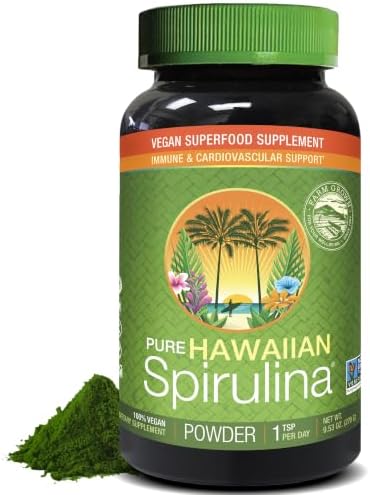
| 2 | Nutrex Hawaii Pure Hawaiian Spirulina Powder, Vegan, Non-GMO, 9.53 oz | Check current price on Amazon |
| 3 | Zazzee USDA Organic Spirulina Powder, 16 Ounces, 137 Servings, 100% Pure USDA Organic | Check current price on Amazon |
| 4 | Kate Naturals Organic Spirulina Powder, Nutrient Dense Superfood (8oz) USDA Organic | Check current price on Amazon |
As an Amazon Associate we earn from qualifying purchases. Prices and availability change, so confirm the price on Amazon before buying. These are research-based picks, not products we have tested. How we choose.



Signs spirulina powder has spoiled
- Musty or rotten smell.
- Clumps from moisture.
- Visible mold.
How People Use Spirulina Powder
Spirulina powder has a strong, earthy flavor that many people find pungent on its own. It is commonly mixed into smoothies with fruit such as banana, pineapple or mango, which mask the taste, or stirred into juice, yogurt or oatmeal. Some people add a small amount to salad dressings or energy bites. Start with a small quantity, since too much can overwhelm other flavors and may upset your stomach. Follow the serving size on the label, and do not exceed it without advice from a healthcare professional.
Spirulina and Other Algae: Know the Difference
Spirulina is often mentioned alongside chlorella and other algae products, but they are different organisms with different nutrient profiles and textures. Do not substitute one for another without reading the label. Some products blend several ingredients, so check the list if you have allergies or sensitivities. Whatever you choose, buy from brands that disclose where and how the algae is grown and tested.
Quality Signals to Look For on a Label
- Third-party testing for heavy metals, microcystins and microbial contamination.
- Country of origin and growing method.
- Lot number and best-by date.
- Ingredient list with no unnecessary fillers.
- Clear serving size and storage instructions.
- A reputable seller with positive recent reviews.
How to Store Spirulina Powder When Travelling
If you take spirulina with you, portion it into small airtight containers or single-serve packets so that you do not expose the whole supply to air and humidity. Keep it out of hot cars and direct sun. Tablets and capsules travel more easily than powder and have less taste, although they may cost more per serving.
Spirulina in Recipes: Simple Ideas
- A green smoothie with banana, spinach and a small amount of spirulina.
- Overnight oats with a pinch of spirulina and berries.
- Energy bites with dates, nuts and a little spirulina.
- A salad dressing with lemon, olive oil and a small spoonful of spirulina.
- A chilled soup with cucumber, avocado and a touch of spirulina.
Common Questions About Taste and Color
Spirulina turns food a deep green or blue-green and has a distinctive taste described as earthy, grassy or slightly like the sea. Start with small amounts and pair it with strong flavors such as citrus, mint or ginger. The color is natural, but it can stain surfaces and clothing, so wipe spills promptly. Some people find the flavor too strong and prefer capsules or tablets.
Allergies and Interactions
Some people react to spirulina, with symptoms such as rash, itching or digestive upset. People with autoimmune disease, phenylketonuria or those taking medications that affect the immune system or blood clotting should speak to a doctor before using it. Pregnant or breastfeeding individuals should also seek advice. If you notice a reaction, stop use and contact a healthcare professional.
Is Spirulina Worth It? Setting Expectations
Spirulina is marketed with many claims, but research on its benefits is mixed and often preliminary. It contains protein and some vitamins and minerals, but typical serving sizes are small, so it is not a substitute for a balanced diet. Treat it as an optional supplement, not a cure for anything, and be skeptical of exaggerated claims. If you have health concerns, ask a healthcare professional for guidance.
Choosing Between Powder, Tablets and Capsules
- Powder: flexible and often cheaper per serving, but strong in taste and prone to clumping.
- Tablets: convenient and tasteless, but can be large.
- Capsules: easy to swallow and portable, usually the most expensive form.
- Storage: all forms need a cool, dry place away from light.
Related guides
Where to Store Spirulina Powder: Container and Location Compared
The container and the spot you choose matter as much as the lid. The table below shows how each common option performs when you store spirulina powder at home.
| Option | Moisture protection | Light protection | Practical notes |
|---|---|---|---|
| Original resealable pouch in a pantry | Good if the zip is clean | Good if the pouch is opaque | Press the air out before sealing. Replace the pouch once the zip clogs with powder. |
| Airtight glass jar in a dark cupboard | Excellent | Poor if clear; wrap it or use amber glass | Easy to clean and inspect. Keep it away from the stove. |
| Opaque plastic tub with gasket lid | Excellent | Excellent | Light and travel friendly. Check the gasket stays dry. |
| Refrigerator | Risky; condensation on every opening | Good | Only for hot, humid homes, and let the jar warm up before opening. |
| Freezer, in single portions | Excellent while sealed | Excellent | Best for bulk bags you will not finish within a few months. |
Common Mistakes When You Store Spirulina Powder
- Keeping it above the kettle or stove: steam and heat reach the cupboard every day and the powder clumps within weeks.
- Dipping a damp spoon: a single wet spoon can seed a hard lump that later turns musty.
- Opening a cold jar straight from the fridge: warm room air condenses on the cold powder.
- Buying a bulk bag for occasional use: a one-pound bag used once a week sits open for months. Buy small or freeze portions instead.
- Storing it next to spices or coffee: spirulina absorbs strong odours through thin pouches.
Illustrative Example: Shelf Life by Storage Habit
The figures below are an example of what good and poor habits can mean, not test results. Imagine two people who open the same bag on the same day, each with a best-by date two years away.
The first decants the powder into an airtight opaque tub, keeps it in a cool pantry and always uses a dry spoon. After six months the powder still smells earthy and pours freely, so it is used up with no waste. The second leaves the bag half open above the dishwasher. After six weeks the powder has lumps, and after three months it smells sour and goes in the bin. In short, the way you store spirulina powder decides whether the best-by date means anything at all.
Supplement Safety: What the Regulator Says
Storage keeps the powder fresh, but it cannot fix a poor product. The NIH Office of Dietary Supplements explains that supplements do not need FDA approval for safety or effectiveness before they are sold, and that it is difficult to judge quality from the label alone. Therefore, choose brands that publish third-party test results, and talk with a doctor, dietitian or pharmacist about whether spirulina suits you.
How to Spot a Low-Quality Spirulina Powder Listing
Because the powder all looks the same, the listing has to do the talking. Check these points before you buy:
- Testing named: look for heavy metals, microcystins and microbial testing, ideally with a certificate of analysis on request.
- Origin stated: the growing location and method should be clear, since open ponds near pollution are a contamination risk.
- Lot number and date in the photos: a real package shows both. Rendered images with no date are a warning sign.
- Packaging that supports storage: a resealable, opaque pouch or tub shows the seller understands how to store spirulina powder.
- Reviews that mention clumping on arrival or a fishy smell: both point to poor drying or long warehouse storage.
For a shortlist of brands that pass these checks, see our guide to the best spirulina powders. If you mostly use it in smoothies, a blender built for protein shakes breaks up the small lumps that even well-stored powder can form.
Frequently asked questions
Does spirulina powder expire?
Check the best-by date. If you store spirulina powder sealed and dry, it often stays usable up to that date.
Should I refrigerate it?
Follow the label. Usually, a cool and dry cupboard is enough to store spirulina powder safely.
What does bad spirulina smell like?
Musty or rotten.
Is it safe for everyone?
Ask a doctor first.
Do you list prices?
No. Check the live price on Amazon.
Should I keep spirulina in the fridge?
It is not required if you keep it cool, dry and sealed. Refrigeration can help in hot climates, but avoid condensation.
Can spirulina powder go moldy?
Yes, if it gets damp. Keep it dry and use a dry spoon.
How can I tell if spirulina is fresh?
It should have an earthy smell and a uniform color. A sour or musty smell means it should be discarded.
Is it safe to use after the best-by date?
The date is a quality guide. If the powder looks, smells and tastes normal, it may be fine, but when in doubt throw it out.
More questions about how to store spirulina powder
Can I store spirulina powder in the freezer?
Yes, in sealed single portions. Freezing suits bulk bags you will not finish within a few months, but let each portion reach room temperature before opening it.
Should I store spirulina powder in glass or plastic?
Either works if the lid is airtight. Opaque containers protect against light, so clear glass should live in a dark cupboard.
Does the way I store spirulina powder change its nutrients?
Heat, light and air gradually degrade pigments and some vitamins. Cool, dark, dry storage slows that loss, although it cannot stop it entirely.
This is not medical advice. Ask a doctor before taking supplements, especially if pregnant, on medication or with health conditions. Product picks are research-based, not tested by us. Check current prices and details on Amazon.
More guides you may like
- Amazon Black Friday 2026: Dates, Tips and Products to Watch
- Black Friday 2026 Date: When Does It Start and End?
- How to Track Amazon Price Drops Before Black Friday
- Best Spirulina Powders: 10 Top-Rated Picks
- Best Crossbody Cell Phone Purses: 10 Top-Rated Picks
- Best Tummy Control Leggings: 10 Top-Rated Picks