A diffuser spreads airflow so curls dry with less frizz. Patience and low settings help.

Steps to use a hair diffuser for curly hair
- First, apply leave-in conditioner to damp hair.
- Then use low heat and low airflow.
- Cup sections in the diffuser.
- Finally, do not touch until dry.

Diffuser and curly hair products
| # | Product | Where to check |
|---|---|---|
| 1 | REVLON Infrared Ionic Hair Dryer with Diffuser & Concentrator, White | Check current price on Amazon |
| 2 | Hairizone Universal Hair Diffuser, Lemon | Check current price on Amazon |
| 3 | Conair InfinitiPRO Hair Dryer with Diffuser & Concentrator, 1875W, Black | Check current price on Amazon |
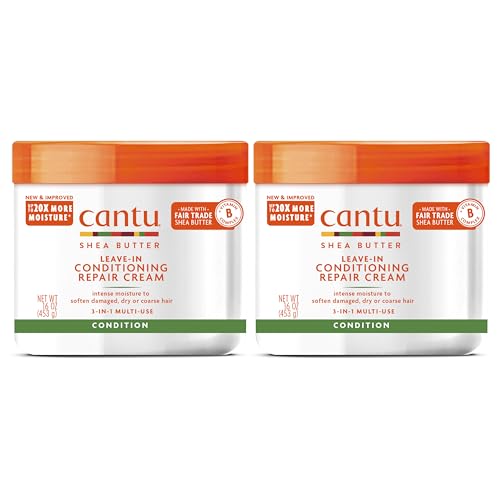
| 4 | Cantu Leave-In Conditioning Repair Cream with Shea Butter, 16 oz (Pack of 2) | Check current price on Amazon |
| 5 | Shea Moisture Curl Enhancing Smoothie Hair Cream for Thick, Curly Hair Coconut and Hibiscus … | Check current price on Amazon |
| 6 | Mizani 25 Benefit Miracle Milk – Leave in Conditioner for Curly Hair, With Coconut Oil, Curl… | Check current price on Amazon |
As an Amazon Associate we earn from qualifying purchases. Prices and availability change, so confirm the price on Amazon before buying. These are research-based picks, not products we have tested. How we choose.


Tips to use a diffuser on curly hair
- Clean the diffuser regularly.
- Also use heat protectant.
- Alternatively, air dry partway if needed.
Understanding Curl Patterns and Porosity
Curl patterns range from loose waves to tight coils, and each responds differently to drying and product. Looser curls often need lightweight products and gentle diffusing to keep volume and definition without weighing hair down. In contrast, tighter coils often need more moisture, richer creams and plenty of patience. Porosity matters as well. Low-porosity hair resists absorbing moisture, so products can sit on top and cause buildup, while high-porosity hair absorbs quickly and loses moisture fast. Adjust product weight and heat to match, and pay attention to how your hair behaves after styling.
If you are not sure about your hair type, experiment with small changes and note the results. A simple routine is often better than many products.
Drying Methods Compared
- Air drying: gentle, free of heat damage, but slower and can leave curls flat at the roots.
- Diffusing: faster, adds volume, but uses heat and can cause frizz if done roughly.
- Plopping with a T-shirt or microfiber towel: wraps hair to encourage curl formation and absorb water before drying.
- Hooded dryer: dries evenly with less disturbance, but takes up space.
Refreshing Curls on Day Two and Three
Curls often lose definition after sleeping. To refresh, lightly mist with water or a mix of water and leave-in conditioner, scrunch gently and diffuse briefly on low heat if needed. Also avoid heavy products that build up, and sleep with hair loosely gathered in a pineapple style or covered with a satin bonnet or pillowcase. A clarifying wash every few weeks removes buildup.
Troubleshooting Common Problems
- Frizz: use less heat, avoid touching hair while drying and add moisture.
- Flat roots: lift the roots with the diffuser or clips while drying.
- Stiff or crunchy curls: gels can leave a cast; scrunch out the crunch once dry.
- Greasy hair: use less product and focus it on the mid-lengths and ends.
- Dryness: add a deep conditioner and reduce heat.
Choosing a Hair Dryer to Use with a Diffuser
- Look for adjustable heat and airflow settings.
- Check that the nozzle size matches the diffuser.
- Also choose a lightweight dryer if you will hold it for long periods.
- Ionic or ceramic features may reduce frizz for some hair types.
- Look for a cool shot button to set the style.
- Check the cord length for comfortable positioning.
Pre-Styling Prep for Defined Curls
Good results start with moisture. Condition well in the shower and detangle with a wide-tooth comb. Then apply products to soaking wet hair so they distribute evenly, and scrunch upward to encourage curl formation. Avoid rough towel-drying, which causes frizz. If your curls tend to be limp, use lighter products at the roots and more at the ends.
Frizz Control Tips
Frizz often results from dryness, rough handling or humidity. Moisturize, avoid touching your hair while it dries and use the lowest effective heat. In addition, a satin pillowcase and a weekly deep conditioning treatment can help. If you live in a humid climate, look for products designed to block humidity, and consider a gel with a stronger hold.
Using a Diffuser on Curly Hair of Different Lengths
Short curls benefit from a smaller diffuser that can reach the scalp and a gentle upward lift at the roots. Meanwhile, medium curls do well with sectioned diffusing, working from the ends up. Long curls can be heavy when wet, so use clips to support sections and avoid pulling. For coily textures, patience and low heat protect the curl pattern, and some people prefer to air dry partially before diffusing to save time.
When to Skip the Hair Diffuser on Curly Hair
If your hair is very dry or damaged, or if you have limited time and humidity is low, air drying may be better. A diffuser is a tool, not a requirement. If you notice more frizz, dryness or breakage after using one, try lower heat, shorter sessions or air drying.
Related guides
Diffuser Settings for Curly Hair by Curl Type
There is no single right setting. The table below shows a sensible starting point when you use a hair diffuser for curly hair of each type. Adjust from there based on frizz and drying time.
| Curl type | Heat | Airflow | Technique | Typical time |
|---|---|---|---|---|
| Loose waves (2A to 2C) | Low | Low | Hover the diffuser without cupping, to avoid stretching the wave | 10 to 15 minutes |
| Classic curls (3A to 3B) | Low to medium | Low | Cup sections for 30 to 60 seconds, then move | 15 to 25 minutes |
| Tight curls (3C) | Medium | Low | Cup and lift at the roots; finish with cool air | 20 to 30 minutes |
| Coils (4A to 4C) | Medium, never high | Low | Dry to about 80 percent, then air dry or pick the roots | 25 to 40 minutes |
| Fine or damaged curls | Low only | Low | Short bursts with breaks, plus heat protectant | 10 to 20 minutes |
Dermatologists back the low-heat approach. The American Academy of Dermatology advises letting hair air dry partially first and using the lowest heat setting on a blow dryer, because excessive heat damages every hair type.
Who Should Use a Hair Diffuser, and Who Should Not
A diffuser helps most people with wavy, curly or coily hair who want definition and root volume faster than air drying allows. It is especially useful in cold or damp climates, where air drying takes hours and leaves hair cold against the scalp.
However, you may not need to use a hair diffuser for curly hair that is very short, since short curls dry quickly on their own. People with badly heat-damaged hair should also pause and rebuild moisture first. If you are shopping, our guide to the best hair diffusers for curly hair compares universal and brand-specific attachments, and our roundup of the best leave-in conditioners for curly hair covers the products to apply before you dry.
Illustrative Example: Why Low Airflow Wins
The numbers below are an example, not a lab test. Picture two people with the same shoulder-length curls. The first uses high heat and high airflow and finishes in eight minutes, but the strong air lifts the cuticle and separates curl clumps. The result is dry in record time and frizzy by lunchtime.
The second uses low heat and low airflow and takes about twenty minutes. The curls dry in their clumps and the cuticle stays flat. As a result, the style lasts two or three days instead of one. Over a month, the second person also spends less time refreshing curls. In short, when you use a hair diffuser for curly hair, the slower setting is usually the faster routine.
How to Spot a Low-Quality Diffuser Listing
Universal diffusers are cheap, and the quality varies. Therefore, check these points before you buy:
- Fit described in millimetres: a listing that gives the nozzle diameter range it fits is more reliable than one that just says universal.
- Heat-resistant material named: look for silicone or heat-resistant ABS. Thin plastic warps and smells after a few uses.
- Prong length: longer prongs, around two inches, reach the roots of thick hair. Short prongs suit fine hair.
- Vent pattern: many small holes spread air better than a few large ones.
- Reviews that mention falling off: repeated complaints point to a weak clamp or poor fit.
Frequently asked questions
Do I need a diffuser for curls?
Not required, but many people use a hair diffuser for curly hair because it reduces frizz.
Should I use high heat?
Low heat is usually kinder. Therefore, start low and raise it only if drying takes too long.
How do I clean it?
Wipe and remove buildup as directed. Afterwards, let it dry before the next use.
Is it ok for fine curls?
Yes. Use a diffuser on fine curly hair with low heat and short bursts.
Do you list prices?
No. Check the live price on Amazon.
Do I need a diffuser for curly hair?
It is not required, but many people find it reduces frizz and helps define curls compared with a plain dryer.
Is diffusing damaging?
Heat can dry hair, so use low or medium heat, a protectant and reduce frequency.
How long does diffusing take?
Several minutes per section, depending on hair length and thickness.
Can I diffuse hair that is not wet?
Slightly damp hair with product works best. Dry hair is harder to shape.
More questions about how to use a hair diffuser for curly hair
How often can I use a hair diffuser for curly hair?
Two or three times a week on low heat is a reasonable upper limit for most people. Air dry on the other days and refresh curls with water and leave-in conditioner.
Should I use a hair diffuser for curly hair upside down?
Flipping your head helps root volume, but it can also cause frizz if you move around. Many people diffuse the roots upside down and then finish upright.
Can I use a hair diffuser for curly hair without product?
You can, but curls will be fluffier and less defined. A leave-in conditioner plus a gel or cream gives the clumps something to hold.
Product picks are research-based, not tested by us. Check current prices and details on Amazon.
More guides you may like
- Amazon Black Friday 2026: Dates, Tips and Products to Watch
- Black Friday 2026 Hair Care Deals: Flat Irons, Diffusers and Curly Hair Picks
- Titanium vs Ceramic Flat Iron: Which Is Better for Your Hair?
- Best Hair Diffusers for Curly Hair: 10 Top-Rated Picks
- Best Leave-In Conditioners for Curly Hair: 10 Top-Rated Picks
- Best Flat Irons for Natural Hair: 10 Top-Rated Picks