In the down vs down alternative comforter decision, the right fill depends on how warm you sleep and how easy you want care to be.

Down vs down alternative: the case for down
- Light and warm.
- However, it often costs more.
- Also may need careful cleaning.

The case for a down alternative comforter
- Often easier to wash.
- Also good for people who dislike down.
- However, it can feel heavier for the same warmth.
Picks: down vs down alternative comforter options
| # | Product | Where to check |
|---|---|---|
| 1 | Utopia Bedding Comforter King Size, Duvet Insert, White, 90 x 102 Inches OEKO-TEX STANDARD 100 | Check current price on Amazon |
| 2 | Bedsure Comforter Duvet Insert, Quilted Bedding Blanket, Oeko-TEX OEKO-TEX STANDARD 100 | Check current price on Amazon |
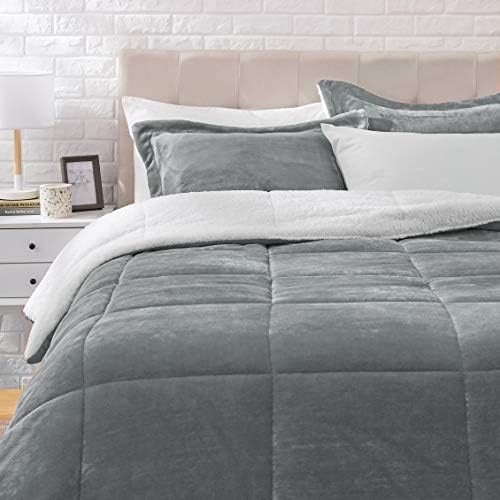
| 3 | Amazon Basics 3-Piece Down Alternative Micromink Sherpa Bedding Set, Ultra-Soft, Warm All Se… | Check current price on Amazon |
| 4 | EASELAND King Size Down Alternative Comforter, White, 90×102 Inches OEKO-TEX STANDARD 100 | Check current price on Amazon |
As an Amazon Associate we earn from qualifying purchases. Prices and availability change, so confirm the price on Amazon before buying. These are research-based picks, not products we have tested. How we choose.



Comforter tips for down and down alternative
- Check size against your mattress.
- Then use a duvet cover.
- Finally, check the care label.
Allergies and Bedding: What Actually Helps
Many people blame down for allergies, but the usual culprits are dust mites and the proteins they leave behind, which collect in all bedding types. A synthetic filling does not guarantee fewer allergens, though it is often easier to wash at higher temperatures, which helps. Therefore, to reduce allergens, wash bedding regularly in the hottest water the label allows, use zippered allergen-proof covers on pillows and mattresses, keep humidity low and vacuum often. If you have allergies or asthma, talk to your doctor about the best approach for your situation.
Sustainability and Sourcing
If you care about how products are made, check the product details. Some down comes with responsible sourcing certifications, while others provide little information. Meanwhile, synthetic fills are made from petroleum-based materials, though some brands use recycled fibers. Longevity matters as well: a comforter that lasts many years has a lower environmental cost than one replaced often. Choose quality over quantity, and consider donating old comforters to animal shelters, which often accept bedding.
Testing a Comforter at Home
- Sleep under it for several nights, noting whether you overheat or feel cold.
- Also check for odor and shedding of fibers or feathers.
- Look at the stitching after the first wash.
- Compare the size with your bed.
- Above all, confirm that the return window is long enough to test properly.
Pairing Your Comforter with Sheets and Pillows
A comforter is one part of a sleep system. Choose sheets that suit your temperature preferences: breathable cotton or linen for warm sleepers, and flannel or brushed cotton for colder nights. Likewise, pillows should support your neck in your preferred sleep position. If your comforter runs warm, layering sheets and a light blanket gives you more control.
Understanding Thread Count and Fabric
Thread count refers to the number of threads per square inch of fabric, but a higher number does not always mean better quality. For comforter shells, a tightly woven cotton with a moderate thread count is often more durable and breathable than a very high thread count made with thin, low-quality fibers. For down comforters, in particular, the shell must be tight enough to prevent feathers from poking through. Look for descriptions such as down-proof construction.
Comfort for Hot Sleepers and Cold Sleepers
- Hot sleepers: lightweight fill, breathable cotton shell and fewer layers.
- Cold sleepers: higher fill weight, brushed or flannel fabrics and extra layers.
- Couples: separate blankets or a medium weight comforter.
- Seasonal: swap between lighter and heavier comforters or use layers.
Storing Your Comforter
Store in a breathable bag in a cool, dry place. Also avoid compressing it for long periods, which can flatten the loft. Air it out before storage and use again, especially after a season in a closet.
Choosing by Climate and Season
- Hot climates: lightweight, breathable comforters, often down alternative in cotton shells.
- Cold climates: warmer fills, higher fill weight and layered bedding.
- Humid climates: breathable fabrics that dry well, and regular airing.
- Four-season homes: a lightweight comforter plus a blanket for winter flexibility.
How Long Should a Comforter Last?
With proper care, a quality down comforter can last ten years or more, while a synthetic comforter often lasts several years before it flattens. To extend that, rotate the comforter regularly, fluff it, use a duvet cover and wash it according to the label. Replace it when it no longer provides warmth, develops odors that do not wash out or has damaged seams.
Related guides
Down vs Down Alternative Comforter: Side-by-Side
The table below sums up the down vs down alternative comforter decision on the points that matter most in daily use.
| Factor | Down | Down alternative |
|---|---|---|
| Warmth for weight | Excellent; very light for the warmth | Good, but heavier for the same warmth |
| Breathability | High; natural clusters release moisture | Moderate; depends on the fiber and shell |
| Washing | Possible but slow to dry; some need professional cleaning | Usually machine washable at home |
| Allergies | Washable down is fine for many; dust mites are the usual trigger | Often preferred; easier to wash hot and often |
| Lifespan | Ten years or more with care | Several years before the fill flattens |
| Damp conditions | Loses loft when wet | Dries fast and keeps some warmth |
| Sourcing | Look for the Responsible Down Standard | Petroleum-based, sometimes recycled fibers |
If animal welfare matters to you, look for down certified to the Responsible Down Standard, a voluntary certification from Textile Exchange that traces down and feathers back to farms with welfare requirements.
Who Should Buy Down, and Who Should Buy Down Alternative
Down suits people who want the lightest possible cover, sleep in a cool bedroom and are willing to use a duvet cover and wash the comforter only a few times a year. It is also the better long-term buy if you keep bedding for a decade.
In contrast, a down alternative comforter suits anyone who washes bedding often, shares the bed with pets or children, lives in a humid climate or prefers to avoid animal products. It is also the sensible choice for guest rooms and for teenagers, where easy washing matters more than loft. In the down vs down alternative comforter debate, then, lifestyle usually decides more than warmth. For a shortlist of both types, see our guide to the best king size comforters, and for washing a bulky one at home, read how to wash a king size comforter.
Illustrative Example: Warmth, Weight and Loft
The figures here are an example, not a lab result. Picture two king comforters that feel equally warm on a cold night. The down version might hold about 40 ounces of 700 fill power down and weigh roughly five pounds in total. The down alternative version might need about 60 ounces of polyester fill to match that warmth, which pushes the total weight closer to seven pounds.
As a result, the down comforter drapes lightly and traps air in thicker loft, while the synthetic one feels flatter and heavier. Some sleepers like that gentle weight. Others find it hot. Trying both, where possible, tells you more than any specification sheet.
How to Spot a Low-Quality Down Alternative Comforter Listing
Synthetic fills vary enormously, and listings often hide the differences. Therefore, check these points:
- Fill weight stated: a listing that gives grams per square meter or total ounces is being honest. One that only says plush or ultra-soft is not.
- Shell fabric named: cotton or a cotton blend breathes better than polyester microfiber, which can trap heat.
- Stitching described: box stitching or baffle boxes keep fill in place. Unstitched fill bunches after the first wash.
- Certification: OEKO-TEX Standard 100 means the textile was tested for harmful substances.
- Reviews about clumping: several complaints after washing point to low-quality fiber.
The same checks apply to down listings, where the fill power, down-to-feather ratio and a down-proof shell should all be stated. Bedding is often discounted in late November, so our king size comforter Black Friday guide explains how to tell a real discount from an inflated list price.
Frequently asked questions
Is down alternative hypoallergenic?
Often marketed so, but individual reactions vary.
Which is warmer?
Depends on fill amount. In a down vs down alternative comforter with equal warmth ratings, the down version is lighter.
Can I machine wash?
Check the label first. Generally, down alternative is machine washable and down needs more care.
What size for a king bed?
A king or oversized king. For example, 90 by 102 inches is a common king comforter size.
Do you list prices?
No. Check the live price on Amazon.
Is down warmer than down alternative?
Down is warm for its weight, but a well-made down alternative with enough fill can be just as warm, although it may feel heavier.
Can I be allergic to down?
Some people have reactions, but many allergy symptoms come from dust mites. Allergy testing and a doctor can help.
Which lasts longer?
High-quality down often lasts longer with proper care, while synthetic fills may flatten sooner.
Is down alternative vegan?
Synthetic fill is not animal-derived, but check the product details for other materials.
More down vs down alternative comforter questions
Down vs down alternative comforter: which is better for hot sleepers?
A lightweight down comforter in a cotton shell usually sleeps cooler, because down breathes well. A thin down alternative in cotton is the next best choice.
Does a down vs down alternative comforter matter for pets on the bed?
Yes. Down alternative handles frequent washing better, so it is the practical pick when pets share the bed.
How can I tell if a comforter is real down?
The label should state the fill power and the down-to-feather ratio, and the shell should feel soft with clusters that spring back when pressed.
Product picks are research-based, not tested by us. Check current prices and details on Amazon.
More guides you may like