Tile is durable. However, grout holds dirt. A simple routine keeps both clean.

Routine to clean tile floors
- First, sweep or vacuum loose dirt.
- Then mop with a pH-neutral cleaner.
- Next, rinse with clean water.
- Finally, dry to avoid streaks.

Safety when you clean tile floors
- Never mix bleach with ammonia or vinegar.
- Also test cleaners on a small area.
- Likewise, ventilate the room.
- In particular, do not use vinegar on natural stone.
Cleaners for tile floors
| # | Product | Where to check |
|---|---|---|
| 1 | Swiffer WetJet Multi-Purpose Floor Cleaner Solution with Febreze Refill, Hardwood Floor Clea… | Check current price on Amazon |
| 2 | MRS. MEYER’S CLEAN DAY Multi-Surface Concentrate, Lemon Verbena, 32 fl oz | Check current price on Amazon |
| 3 | Bona Multi-Surface Floor Cleaner Refill – 128 fl oz – Lemon Mint U.S. EPA Safer Choice | Check current price on Amazon |
| 4 | Oreck Commercial Orbiter Hard Floor Cleaner, For All Flooring Types | Check current price on Amazon |
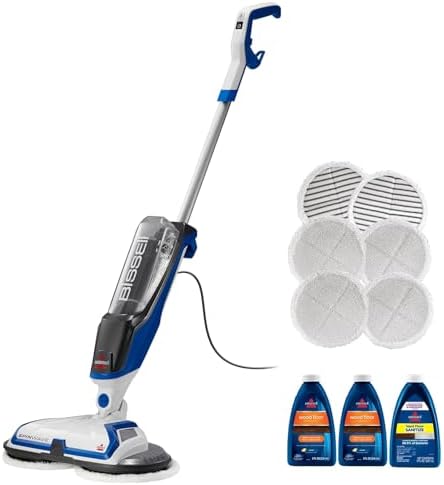
| 5 | BISSELL SpinWave Pet Hard Floor Corded Spin Mop, 20399 | Check current price on Amazon |
| 6 | BISSELL SpinWave Hard Floor Expert Corded Spin Mop Cleaner, 20393 | Check current price on Amazon |
As an Amazon Associate we earn from qualifying purchases. Prices and availability change, so confirm the price on Amazon before buying. These are research-based picks, not products we have tested. How we choose.




Choosing a Mop and Cleaning Tools
The right tools make it easier to clean tile floors. A flat microfiber mop works well on tile because it reaches into corners and picks up dirt, and the pads can be washed and reused. In contrast, sponge mops can push dirty water into grout lines, so they work best with frequent rinsing. For heavily textured tile, meanwhile, a soft-bristle brush helps lift dirt from the grooves. Keep separate buckets or use a two-bucket system, one for clean solution and one for rinsing the mop, so you do not spread dirt.
Steam Cleaning: Pros and Cons
Steam mops can sanitize and loosen grime without chemicals, which many people like. They work well on sealed ceramic and porcelain tile. However, they may damage unsealed grout, natural stone or some finishes, and excessive steam can weaken adhesives over time. Check the tile manufacturer’s guidance before using steam. Therefore, use the lowest effective setting, keep the mop moving and avoid holding it in one spot.
Stain Removal Guide
- Grease: use a degreaser or dish soap and warm water, then rinse.
- Coffee or wine: blot promptly and clean with a mild cleaner or a baking soda paste on non-stone tile.
- Rust: use a cleaner made for rust and follow the label, since some cleaners can damage grout or stone.
- Hard water spots: use a cleaner formulated for mineral deposits on tile that is not stone.
- Mold in grout: use a mold remover made for grout and ventilate the room.
Keeping Tile Floors Looking Clean Longer
- Place mats at entrances and wash them regularly.
- Also remove shoes at the door if possible.
- Above all, sweep or vacuum frequently to prevent grit scratching.
- Wipe spills immediately.
- Finally, reseal grout periodically according to the product directions.
- Use felt pads under furniture to avoid scratches.
Different Types of Tile Floors and Their Care
- Ceramic: durable and easy to clean with pH-neutral cleaners.
- Porcelain: dense and water resistant, suitable for most cleaners.
- Natural stone: needs stone-safe cleaners, sealing and care to avoid etching.
- Vinyl or luxury vinyl tile: avoid steam and abrasive cleaners; follow the maker’s advice.
- Quarry tile: porous and textured; scrub with a stiff brush and rinse thoroughly.
Sealing Tile and Grout
Sealing helps protect porous materials from stains. For instance, natural stone and unglazed tile often need sealing, and grout benefits from it in most cases. First, clean and dry the surface completely, then apply the sealer according to the directions and wipe off any excess. Reapply periodically, since sealers wear away. A simple test is to drip water on the surface: if it soaks in quickly, resealing may be needed.
Preventing Mold in Bathrooms and Kitchens
Moist areas are prone to mold. Therefore, use ventilation fans, wipe wet surfaces and fix leaks quickly. Also clean grout lines regularly, and let areas dry between uses. If mold appears, clean it with a product made for the purpose, wearing gloves and ensuring ventilation, and consider seeking advice for persistent or widespread mold.
How to Clean Heavily Soiled Tile Floors
For floors that have not been cleaned in a while, begin with a thorough sweep or vacuum. Apply a pH-neutral cleaner mixed with warm water, and let it sit for a few minutes to loosen grime. Then scrub with a soft brush, working in small sections, and mop up the dirty water before it dries. Rinse well. For stubborn spots, therefore, repeat the process rather than using stronger chemicals, which can damage tile or grout. Allow the floor to dry completely before putting rugs or furniture back.
Safe Ventilation and Protective Gear
Open windows or run fans when using cleaners, wear gloves to protect your skin and keep children and pets out of the area until the floor is dry. Afterwards, store cleaners in their original containers, away from heat, and follow the instructions on the label for disposal.
Related guides
How to Clean Tile Floors by Type: Quick Reference
The safest cleaner depends on the tile. Use this table to clean tile floors without damaging the glaze, the stone or the grout.
| Floor type | Safe everyday cleaner | Avoid | Extra notes |
|---|---|---|---|
| Glazed ceramic | pH-neutral cleaner or diluted dish soap | Abrasive powders, steel wool | Occasional diluted vinegar is tolerated, but it wears grout. |
| Porcelain | pH-neutral cleaner | Oil-based soaps that leave a film | Textured porcelain needs a soft brush for grooves. |
| Marble, limestone, travertine | Stone-specific neutral cleaner | Vinegar, lemon, bleach, ammonia | Acids etch the surface permanently. Seal regularly. |
| Slate and granite | Stone-specific neutral cleaner | Acidic cleaners | More acid tolerant than marble, but still seal and rinse. |
| Vinyl and luxury vinyl tile | Mild cleaner in warm water | Steam, abrasives, solvent cleaners | Too much water can lift the edges. |
| Quarry and terracotta | Neutral cleaner, stiff nylon brush | Acid washes unless sealed | Very porous, so sealing matters most here. |
Why You Must Never Mix Cleaners
The single most important rule when you clean tile floors is to use one product at a time. The Washington State Department of Health explains that bleach mixed with ammonia produces toxic chloramine gases, while bleach mixed with an acid such as vinegar releases chlorine gas. Even low exposure irritates the eyes, nose and throat, and higher levels can damage the lungs.
Residue counts too. If you mopped with bleach yesterday, rinse the floor and the mop before using an acidic descaler today. Likewise, never pour two leftover products into the same bucket to save time.
A Weekly and Seasonal Schedule to Clean Tile Floors
A schedule keeps the job small. As an example for a busy family kitchen:
- Daily: sweep or run a vacuum on the hard-floor setting to remove grit before it scratches the glaze.
- Weekly: damp mop with a pH-neutral cleaner, then rinse. Spot-clean any grout line that looks darker than the rest.
- Monthly: scrub grout with a nylon brush and a grout cleaner, and wash the mop pads.
- Every six to twelve months: do the water-drop test on grout and stone, and reseal if the water soaks in quickly.
In contrast, low-traffic rooms can stretch the weekly mop to every two or three weeks. Floors near entrances benefit from entryway rugs that catch grit before it reaches the tile.
Who Should Skip DIY Mixtures
Homemade cleaners are popular, but they are not for every floor. Skip vinegar, baking soda and bleach recipes if you have natural stone, unsealed grout or a floor still under a manufacturer warranty that specifies a cleaner. Households with asthma or small children are also better served by a pH-neutral product with clear label instructions. If you want a ready-made option, our guide to the best floor cleaners for tile compares neutral formulas. For large areas, a floor cleaner machine with separate clean and dirty tanks saves time.
How to Spot a Low-Quality Floor Cleaner Listing
Floor cleaners are sold with strong claims. Therefore, check these points before you buy:
- pH stated: a listing that says pH-neutral or gives a number near 7 is suitable for most tile. One that hides the pH may be acidic or strongly alkaline.
- Surface list: the label should name tile, grout or stone. Multi-surface is fine only if those words appear.
- No-rinse claims: treat them with caution. Most cleaners still leave a film unless you rinse.
- Dilution ratio: concentrates should give a clear ratio. Vague instructions often lead to overuse and slippery floors.
- Reviews that mention haze or streaks: repeated complaints usually mean the formula leaves residue on glazed tile.
Frequently asked questions
Is vinegar safe on tile?
Fine on ceramic tile occasionally. However, never use it on natural stone or sealed grout.
Can I mix bleach and vinegar?
No. It makes toxic gas, so use one product at a time.
How do I clean grout?
Use a grout cleaner and a brush. Afterwards, rinse and dry the lines.
How often should I mop?
Weekly in busy areas. Clean tile floors less often in spare rooms.
Do you list prices?
No. Check the live price on Amazon.
Can I clean tile with vinegar?
On ceramic or porcelain tile, diluted vinegar is sometimes used, but it can wear grout over time. Never use vinegar on natural stone.
What is the best way to clean grout?
Use a stiff brush and a grout cleaner or baking soda paste, rinse well and dry. Seal grout if recommended.
Is it safe to mix bleach and vinegar?
No. The mixture creates toxic gas. Never mix cleaning products.
How often should I mop tile floors?
Weekly for busy areas and every couple of weeks for low-traffic rooms, with spot cleaning as needed.
More questions about how to clean tile floors
What is the safest way to clean tile floors with pets?
Use a pH-neutral cleaner, rinse well and let the floor dry before pets return. Avoid strong fragrances and never leave bleach solutions standing.
Can I clean tile floors with just water?
Yes, for light dust and footprints a damp microfiber mop with warm water works. Use a neutral cleaner every week or two to remove grease and film.
Do I need to rinse after I clean tile floors?
Usually yes. Rinsing removes cleaner residue that leaves a dull film and makes glazed tile slippery.
Read cleaner labels and never mix chemicals. Product picks are research-based, not tested by us. Check current prices and details on Amazon.
More guides you may like
- Amazon Black Friday 2026: Dates, Tips and Products to Watch
- How to Split Pills Safely: What to Know First
- Black Friday 2026 Date: When Does It Start and End?
- Best Floor Cleaners for Tile: 10 Top-Rated Picks
- Best Hardwood Floor Cleaner Machines: 10 Top-Rated Picks
- Best Crossbody Cell Phone Purses: 10 Top-Rated Picks