Castor oil for hair growth is popular online, but the proof is limited. It can condition hair for some people.

What we know about castor oil for hair growth
- Limited research on hair growth.
- However, it may add shine and moisture.
- Also, thick oil can be hard to wash out.

Castor oil picks for hair
| # | Product | Where to check |
|---|---|---|
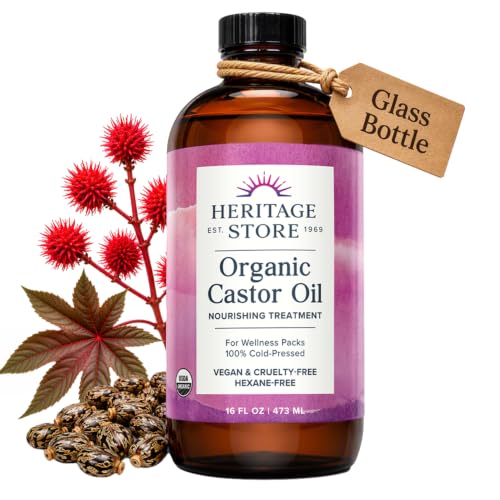
| 1 | HERITAGE STORE USDA Organic Castor Oil, Cold Pressed, 16 fl oz USDA Organic | Check current price on Amazon |
| 2 | Sky Organics Organic Castor Oil 16oz, Pure, Cold Pressed and Hexane Free USDA Organic | Check current price on Amazon |
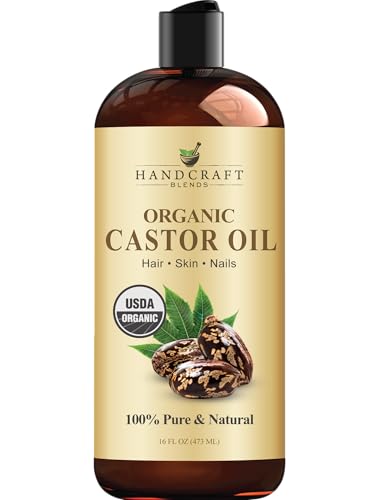
| 3 | Handcraft Blends Organic Castor Oil – 16 Fl Oz USDA Organic | Check current price on Amazon |
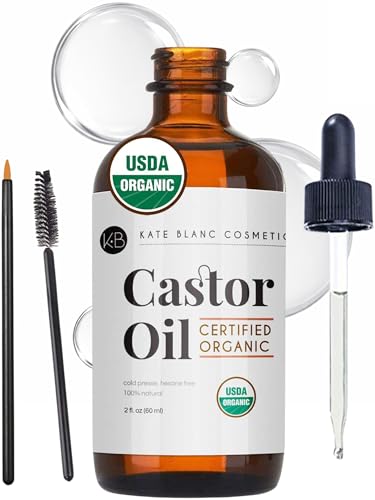
| 4 | Kate Blanc Cosmetics Castor Oil Organic for Hair, Lashes, Face, Skin (2oz) USDA Organic | Check current price on Amazon |
As an Amazon Associate we earn from qualifying purchases. Prices and availability change, so confirm the price on Amazon before buying. These are research-based picks, not products we have tested. How we choose.

Using castor oil on hair
- Patch test first.
- Then use a small amount.
- Afterwards, wash thoroughly.
- Above all, stop if irritation occurs.
Better-Evidenced Ways to Support Healthy Hair
If your goal is stronger, healthier-looking hair, several habits have better support than any single oil. Eat a balanced diet with enough protein, iron and other nutrients, since deficiencies can contribute to hair thinning. Also manage stress and sleep, treat the scalp gently, and avoid tight hairstyles that pull on the roots, which can cause traction-related hair loss over time. Limit heat and harsh chemical treatments, and trim split ends to reduce breakage.
If you notice sudden shedding, patchy loss or a receding hairline, a doctor or dermatologist can look for causes such as thyroid problems, hormonal changes, nutritional deficiencies or scalp conditions, and recommend treatments with proven effectiveness.
How to Do a Scalp Massage with Oil
- Warm a small amount of oil between your palms; it should feel comfortably warm, not hot.
- Part your hair in sections and apply to the scalp with your fingertips.
- Then massage in small circles for a few minutes, using gentle pressure.
- Work the remaining oil through the lengths or ends if desired.
- Leave for a short time as the product directs.
- Shampoo thoroughly, repeating if needed, and condition.
Mixing Castor Oil with Other Oils
Because castor oil is so thick, many people dilute it with lighter oils such as jojoba, almond or coconut oil. A common ratio is one part castor oil to two or three parts of a carrier oil, though preferences vary. As a result, diluting makes it easier to spread and wash out, and can reduce the chance of a sticky, heavy feel. Choose carriers that suit your skin and avoid ones you are allergic to, such as nut oils if you have a nut allergy.
Storage and Shelf Life
Store castor oil in a cool, dark place with the lid tightly closed. In addition, dark glass bottles help protect it from light. Properly stored oil can last a year or more, but check the label for a best-by date. Discard it if it smells rancid or develops an off odor or texture.
Castor Oil for Lashes and Brows: What to Know
People often apply castor oil to eyelashes and eyebrows in the hope of making them look fuller. Evidence for growth is limited, and applying oil near the eyes carries risks such as irritation or infection if the product or applicator is not clean. If you try it, use a clean, single-use applicator, keep the oil away from the eyes and stop if you notice redness, swelling or discomfort. Ask an eye doctor if you have concerns.
Sensitive Skin and Allergies
- Always patch test before using any new oil.
- Also avoid use on broken or irritated skin.
- Stop use if you develop a rash or itching.
- Check for allergies to castor beans or related plants.
- Ask a dermatologist if you have a skin condition such as eczema or psoriasis.
Choosing Hair Care Based on Your Goals
If your goal is shine and softness, a light oil or leave-in conditioner may be enough. When your goal is less breakage, however, focus on gentle handling, regular trims and deep conditioning. If your goal is growth, remember that growth rate is largely determined by genetics and health, and no topical oil has been proven to change it significantly.
Related guides
Castor Oil for Hair Growth: Claims vs Evidence
Online claims about castor oil for hair growth run far ahead of the research. The table below separates what people say from what is reasonably supported.
| Claim | What the evidence suggests | Practical takeaway |
|---|---|---|
| Castor oil makes hair grow faster | No well-designed human trials show faster growth | Expect conditioning, not a change in growth rate |
| It regrows hair in thinning areas | No evidence it reverses pattern hair loss or other medical causes | See a dermatologist for diagnosis and proven treatments |
| It reduces breakage | Plausible, because heavy oils coat the hair and limit friction | Hair can appear longer because less of it breaks off |
| It thickens lashes and brows | Not supported; any fullness is usually from coating the hairs | Keep oil away from the eyes and use clean applicators |
| Jamaican black castor oil works better | No comparative evidence | Choose by scent and texture, not by growth claims |
Hair loss itself has many causes. The American Academy of Dermatology lists hereditary hair loss, ageing, alopecia areata, cancer treatment and thyroid disease among them, and several of those respond to medical treatment. Therefore, oil alone is not an answer to unexplained shedding.
Common Misconceptions About Castor Oil and Hair Growth
- Thicker oil means stronger results: thickness only affects how the oil coats hair. It says nothing about castor oil and hair growth.
- Leaving it on overnight works better: longer contact raises the risk of irritation and clogged follicles without any proven benefit.
- Ricinoleic acid is a growth factor: lab studies on the fatty acid do not translate into hair growth on a human scalp.
- Daily use is harmless: daily castor oil on hair builds up, attracts dust and can cause a condition called acute hair felting, where hair tangles into a hard mass.
- Before-and-after photos prove it: most show reduced breakage, different lighting or normal growth over several months.
Who Should Not Use Castor Oil on Hair
Castor oil is safe for most people as a topical conditioner, but some groups should skip it or ask a professional first:
- Anyone with a known castor bean or seed allergy, or with a history of contact dermatitis from oils.
- People with scalp conditions such as seborrhoeic dermatitis, psoriasis or folliculitis, because heavy oil can trap yeast and bacteria.
- Those with very fine or low-density hair, where the weight flattens the style and makes thinning look worse.
- People already using prescribed scalp treatments, since oil can stop them absorbing.
- Pregnant readers, who should check with a healthcare provider before any castor oil use.
If you still want a conditioning oil, our guide to the best organic castor oils explains how to compare cold-pressed products. For a lighter option on dry skin and ends, see our roundup of the best face oils for dry skin, and if heat styling is causing your breakage, read our titanium vs ceramic flat iron guide.
How to Spot a Low-Quality Castor Oil Listing
Castor oil is cheap to produce, so the market is crowded. Check these points before you buy:
- Extraction method stated: cold-pressed and hexane-free are the terms to look for. Silence on the method often means solvent extraction.
- Single ingredient: the label should read castor oil only. Blends with mineral oil or fragrance are diluted products.
- Dark glass or opaque bottle: clear plastic lets light degrade the oil.
- Growth claims on the label: a product that promises hair growth is making a claim the evidence does not support, which says something about the seller.
- Reviews that mention a rancid smell on arrival: several reports point to old stock or poor storage.
Frequently asked questions
Is castor oil proven to regrow hair?
No strong evidence supports castor oil for hair growth or regrowth.
How often should I use it?
Sparingly, if at all. Castor oil for hair growth is unproven, so treat it as an occasional conditioner.
Can it irritate skin?
Yes. Therefore, patch test before the first full use.
Is it safe to ingest?
No, do not use it that way without a doctor.
Do you list prices?
No. Check the live price on Amazon.
Does castor oil make hair grow faster?
There is little solid evidence that it does. It may improve moisture and reduce breakage, which can make hair look healthier.
Can I use castor oil on my eyebrows or lashes?
Some people do, but avoid getting oil in the eyes and patch test first. Ask an eye doctor if you have concerns.
How often can I use castor oil on my hair?
Once a week or less is common. Overuse can cause buildup.
Is Jamaican black castor oil better?
It is a different preparation with a stronger smell. There is no strong evidence it works better for growth.
More questions about castor oil for hair growth
Is castor oil for hair growth backed by any studies?
There are small lab and animal studies on ricinoleic acid, but no large human trials show that castor oil increases hair growth. Dermatologists treat it as a conditioner, not a growth treatment.
Can castor oil for hair growth cause hair loss instead?
Rarely, heavy daily use can cause matting or clogged follicles, and an allergic reaction can inflame the scalp. Use it sparingly and stop if irritation appears.
What actually works better than castor oil for hair growth?
Treatments with evidence include minoxidil, prescription options for pattern hair loss and treating underlying causes such as iron deficiency or thyroid disease. A dermatologist can advise.
This is not medical advice. Hair loss can have medical causes; ask a doctor or dermatologist. Product picks are research-based, not tested by us. Check current prices and details on Amazon.
More guides you may like
- Amazon Black Friday 2026: Dates, Tips and Products to Watch
- Black Friday 2026 Hair Care Deals: Flat Irons, Diffusers and Curly Hair Picks
- Titanium vs Ceramic Flat Iron: Which Is Better for Your Hair?
- Best Organic Castor Oils: 10 Top-Rated Picks
- 10 Best Face Oils for Dry Skin (2026): Hydrating Picks Compared
- Best Flat Irons for Natural Hair: 10 Top-Rated Picks